Skip to content
ARYAN TRANSPORTFreight & Logistics · Est. 2007
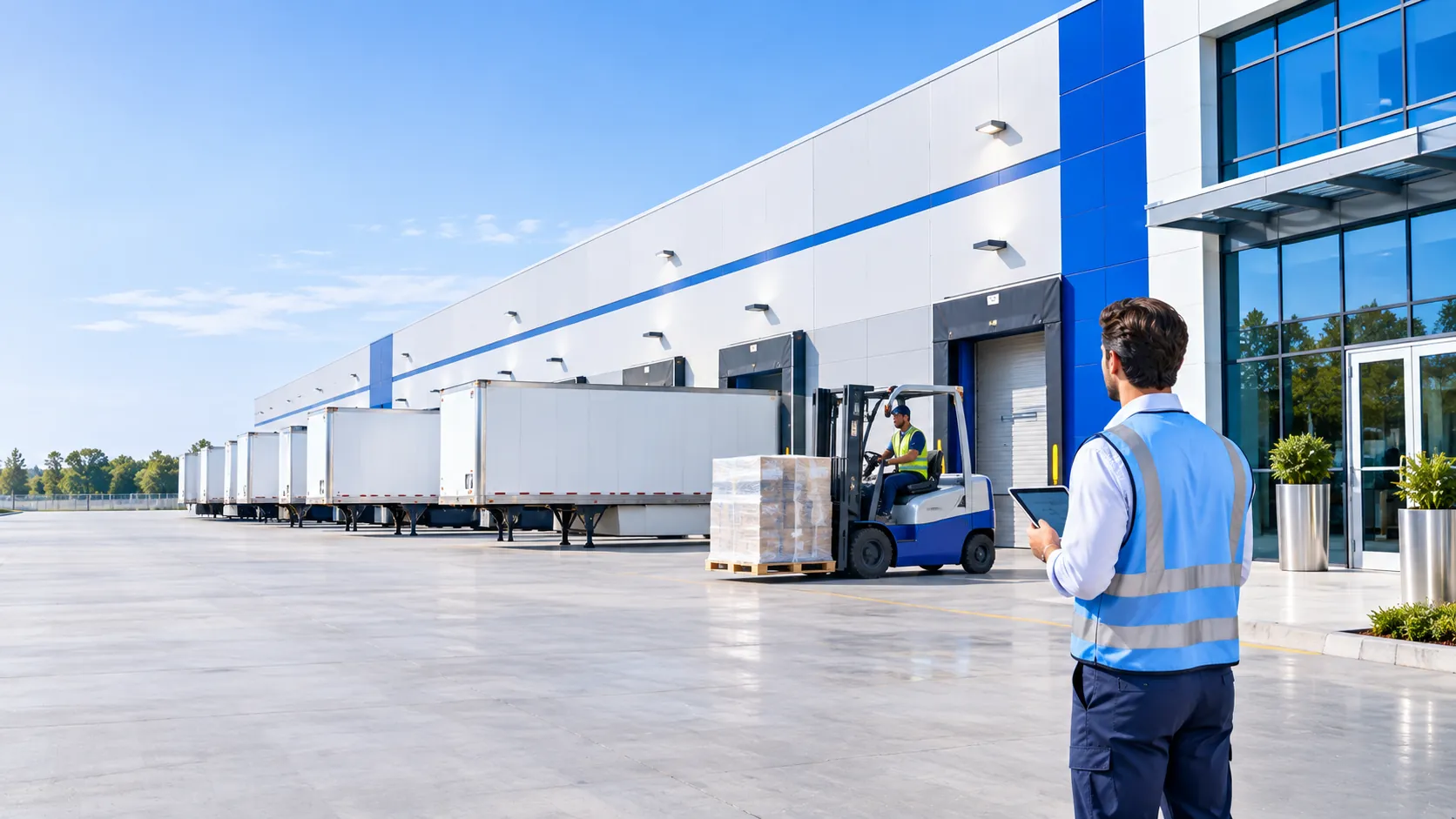
Forklift loading a pallet into a trailer at a bright distribution center dock while a supervisor checks a tablet

Industries Served

Freight programs built for your industry.

Seven industries, each with its own receivers, regulations and pressure points. We staff and plan around them so shipments arrive the way your customers expect.

02

Construction & Heavy Equipment

Machines to job sites, material to yards and equipment between projects, with permits and site access handled before the truck rolls.

Construction & Heavy Equipment Program →

What we handle

  • Excavators, dozers and cranes on RGN and lowboy
  • Steel, rebar, lumber and precast on flatbeds
  • Job-site deliveries with crane or forklift timing
  • Oversize permits, escorts and route surveys

Industry programs

What changes from one industry to the next.

Receivers, regulations and pressure points differ by industry. These notes show how we plan around them.

Why industry knowledge changes the outcome

Two shipments of identical weight and size can need very different handling. A pallet of retail goods bound for a big-box distribution center must meet that retailer's routing guide, labeling rules and appointment window, or it may be refused and charged back. A pallet of electrical switchgear bound for a construction site may need a liftgate, a call ahead and a crew on site to receive it. The freight looks the same on paper. The delivery does not.

Our teams keep notes by industry and by receiver. When a shipper tells us the load is going to a specific grocery distribution center, we already know whether that facility enforces strict appointment times, whether lumper fees are common there and how far in advance the appointment must be booked. That knowledge saves time on every load and prevents the most common causes of refused or delayed deliveries.

Manufacturing and industrial supply chains

Manufacturers depend on inbound materials arriving in sequence and outbound goods leaving on schedule. A late coil of steel can stop a stamping line. A late shipment of components can idle an assembly plant. We plan these lanes with buffer in mind, match carriers with experience in industrial pickup locations, and keep backup capacity identified for critical lanes so that a cancellation does not become a shutdown.

Industrial freight also includes machinery moves, plant relocations and project cargo. Those shipments often combine open deck, heavy haul and dry van loads in a single project. We coordinate the full sequence, including permits, rigging contacts and delivery order, so that equipment arrives in the order it will be installed.

Food, beverage and cold chain

Food freight brings temperature requirements, sanitation rules and strict receiving practices. Carriers hauling food for us must follow sanitary transportation practices, pre-cool trailers to the required set point and run the reefer unit continuously or in the mode specified. Temperature data can be requested from the carrier when a receiver questions product condition.

Beverage and packaged food loads are often heavy and close to legal weight limits. We confirm scale weights and axle distribution with the shipper when a load is near the limit, which avoids roadside overweight issues and reweigh charges.

Retail, consumer goods and e-commerce

Retail distribution runs on appointments, routing guides and on-time compliance scores. Missed windows can lead to chargebacks that exceed the freight cost. We book appointments according to each retailer's process, confirm that carriers understand the receiving requirements and track on-time performance by consignee so that problem lanes are fixed before they become a pattern.

Peak seasons compress capacity across the market. Shippers who share their forecast with us several weeks ahead get better access to committed capacity at stable rates.

Construction, energy and heavy equipment

Construction and energy projects move oversize materials to sites that are often unpaved, remote or under active work. Delivery requires coordination with site supervisors, crane schedules and sometimes local authorities. We confirm site access, ground conditions and unloading equipment before dispatch, and we keep the carrier and the site contact connected on the day of delivery.

Wind components, transformers, structural steel and heavy machinery frequently need multi-state permits and escort vehicles. Lead time matters on these loads. The earlier we see the dimensions, the more routing options remain open.

Automotive and aerospace

Automotive production depends on precise delivery windows, and aerospace parts often carry high value with strict handling requirements. Both industries use expedited service heavily when schedules slip. We maintain a bench of expedited van, straight truck and team carriers for these shippers and keep after-hours dispatch staffed so that a call at midnight gets a truck moving, not a voicemail.

Bringing a new industry program on board

When a shipper in a new industry starts with us, we begin by collecting the receiving requirements for its main consignees, the packaging and loading methods it uses and any regulations that apply to its freight. That information goes into the account notes so that every dispatcher on the desk works from the same facts. For the first weeks, a senior team member reviews each load before tender.

We also ask about the shipper's busiest periods. Agricultural harvests, retail promotions, construction seasons and fiscal year-end pushes all change the volume a shipper needs to move. Knowing those peaks in advance lets us reserve capacity and agree on pricing before the market tightens.

Talking with our industry teams

If your company ships in an industry not listed here, we likely move similar freight already. Tell us what you ship, who receives it and where the difficult parts of the process are. We will explain how we would plan it and introduce the people who would handle it day to day.

Have freight that needs to move?

Send the lane, the equipment and the date. Our team prices standard truckload lanes within the hour on business days, and the dispatch desk answers around the clock.