Flexible space connected to transportation
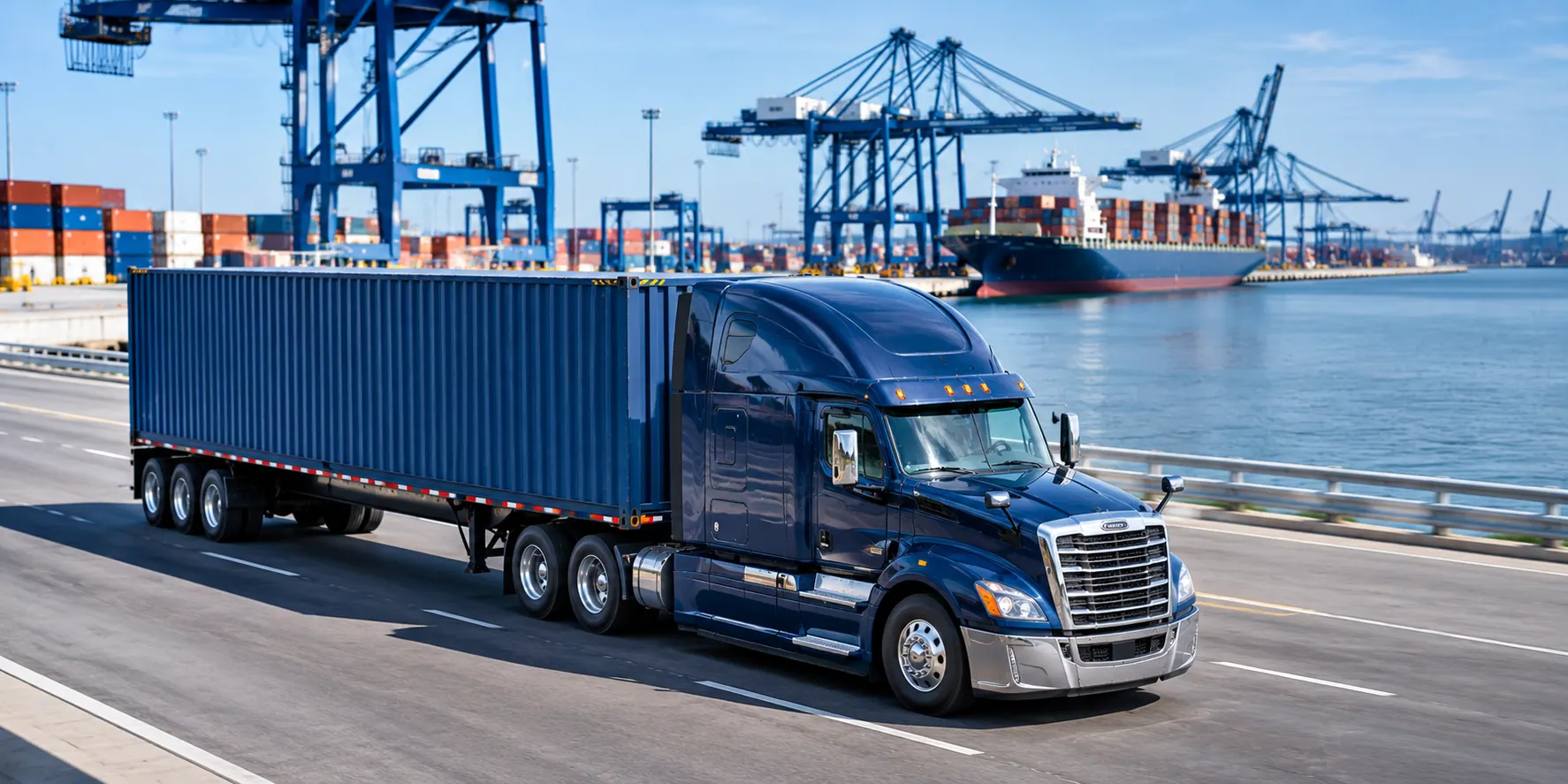
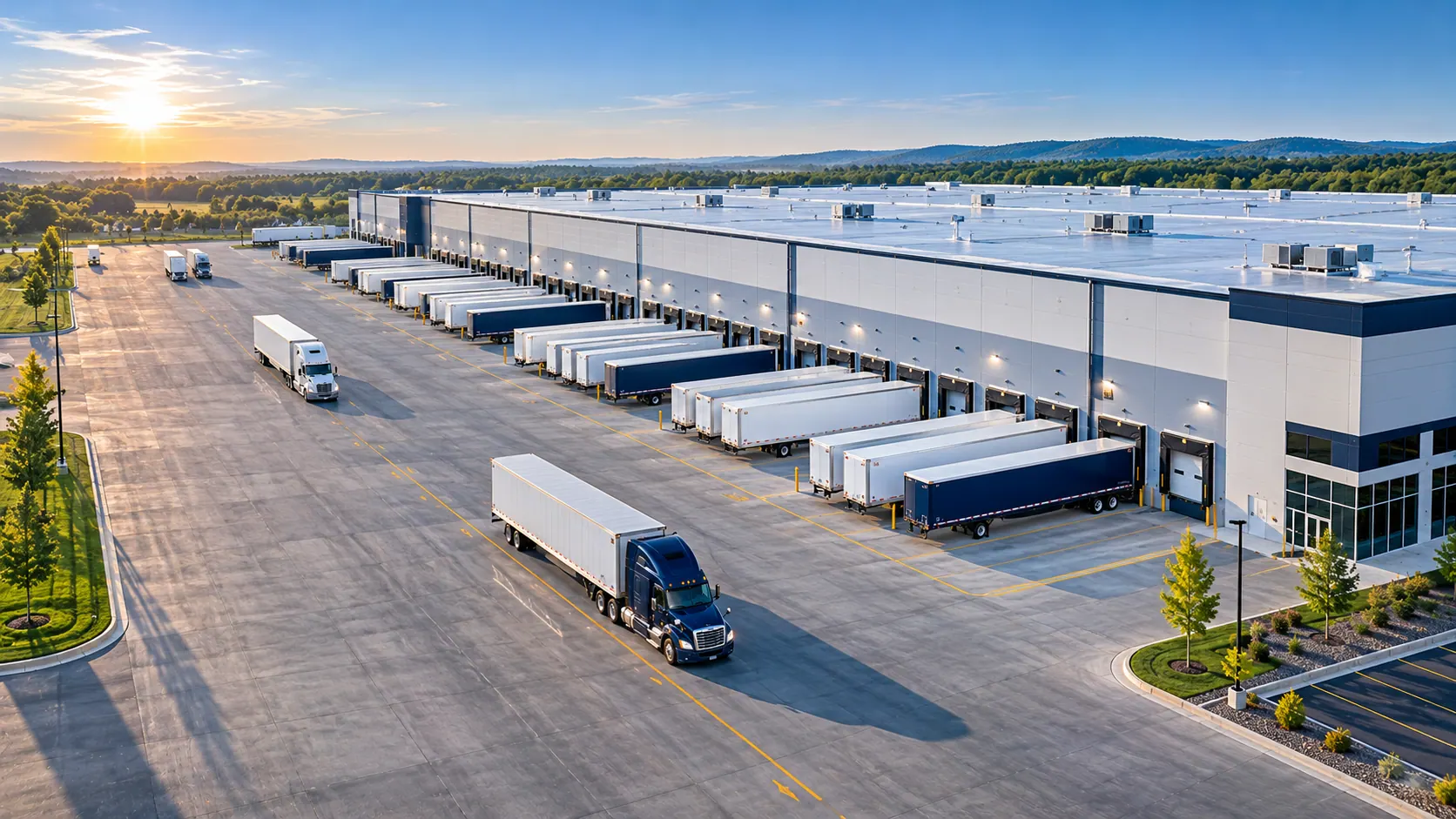
A warehouse is most useful when it is planned with the freight that goes in and out of it. We arrange warehousing and distribution through a network of partner facilities near major ports, rail ramps and population centers, and we connect each facility to the truckload, LTL, drayage and expedited services on the rest of this site. You get one team responsible for the inbound move, the time in the building and the outbound delivery.
This approach suits shippers who need space for weeks or months rather than years, who face seasonal peaks, who are entering a new region, or who need a buffer for freight that arrives earlier than the customer can receive it.
Cross-docking
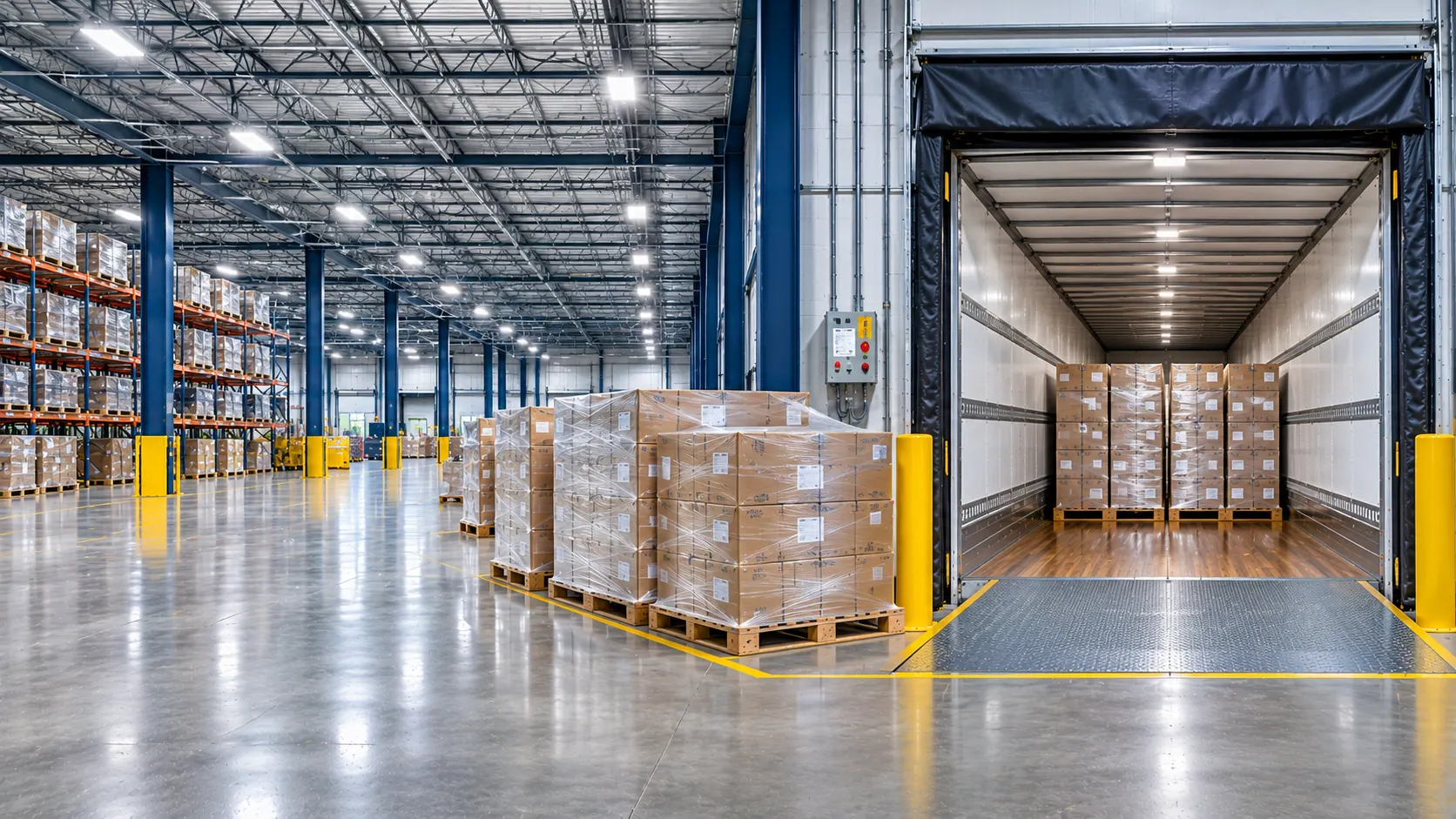
Cross-docking moves freight from an inbound trailer straight to outbound trailers with little or no storage in between, usually within a day or two. It lets shippers send full truckloads into a region and break them into smaller deliveries close to the customer, or combine freight from several suppliers into full loads heading to a single destination.
- Break-bulk: one inbound truckload split into multiple local deliveries or LTL shipments
- Consolidation: freight from several vendors combined into full loads for a retailer or plant
- Retail DC preparation: pallets rebuilt, labeled and appointment-scheduled for retail receivers
- Port transload: ocean container contents moved into 53-foot domestic trailers
Short-term and overflow storage
When inventory arrives before it is needed, when a receiver cannot accept freight, or when a production schedule changes, short-term storage keeps product safe without paying port storage or keeping a trailer on detention. Partner facilities offer storage by the pallet per day, week or month, with in and out handling charged per pallet. Some offer bulk floor storage for large items and racking for standard pallets.
For food and temperature-sensitive goods, we arrange refrigerated and frozen storage at facilities that maintain temperature records and follow food safety practices. For hazardous goods, storage is limited to facilities licensed for the specific classes involved.
Load consolidation and freight optimization
Many shippers spend more than they need to on transportation because shipments go out as they are ready rather than as they fit together. Consolidation groups orders by destination region and ship date so that several LTL shipments become one partial or truckload, or several partial loads become one full trailer. The savings are often significant, especially on longer lanes.
We review your shipping history to identify consolidation opportunities, then propose a schedule, such as holding orders for a region and shipping twice weekly, that balances freight cost against customer delivery expectations.
Value-added services
Beyond receiving, storing and shipping, partner facilities can handle tasks that would otherwise need your own staff or a separate vendor:
- Pallet building, rewrapping and relabeling for retail compliance
- Kitting and light assembly of display or promotional units
- Pick and pack for business-to-business orders
- Inspection, photo documentation and cycle counts
- Returns processing and freight sorting
Inventory visibility and reporting
Inventory in a partner building should be as visible as inventory in your own. Facilities provide receiving reports with pallet counts and condition notes, regular inventory reports, and shipping confirmations tied to your order numbers. We combine those with transportation status so your team sees one picture of where product is, whether it is on a truck or on a rack.
When you need to bring freight in or ship it out, a single request to our team covers the transportation and the warehouse work. We schedule the dock appointment, assign the carrier and confirm when the order has left the building.
Choosing the right facility
Location matters more than any other factor. A facility close to your customers reduces outbound freight cost and delivery time; one close to a port or rail ramp reduces drayage cost and turn times. We also consider the building's dock count, yard space, operating hours, security, food-grade or hazmat certification, and how it handles inventory data. You will see the options and the trade-offs before any freight arrives.
Getting started with a partner facility
Starting a warehousing program is simpler than many shippers expect. We begin with your products, pallet counts, expected inbound and outbound volume, special requirements such as temperature or hazmat, and the region you want to serve. From there we propose one or more facilities, with storage and handling rates, and set up receiving instructions so the first inbound load is checked in correctly.
Most short-term programs can start within one to two weeks of approval. We review volume and costs with you regularly and adjust the plan as your needs change.