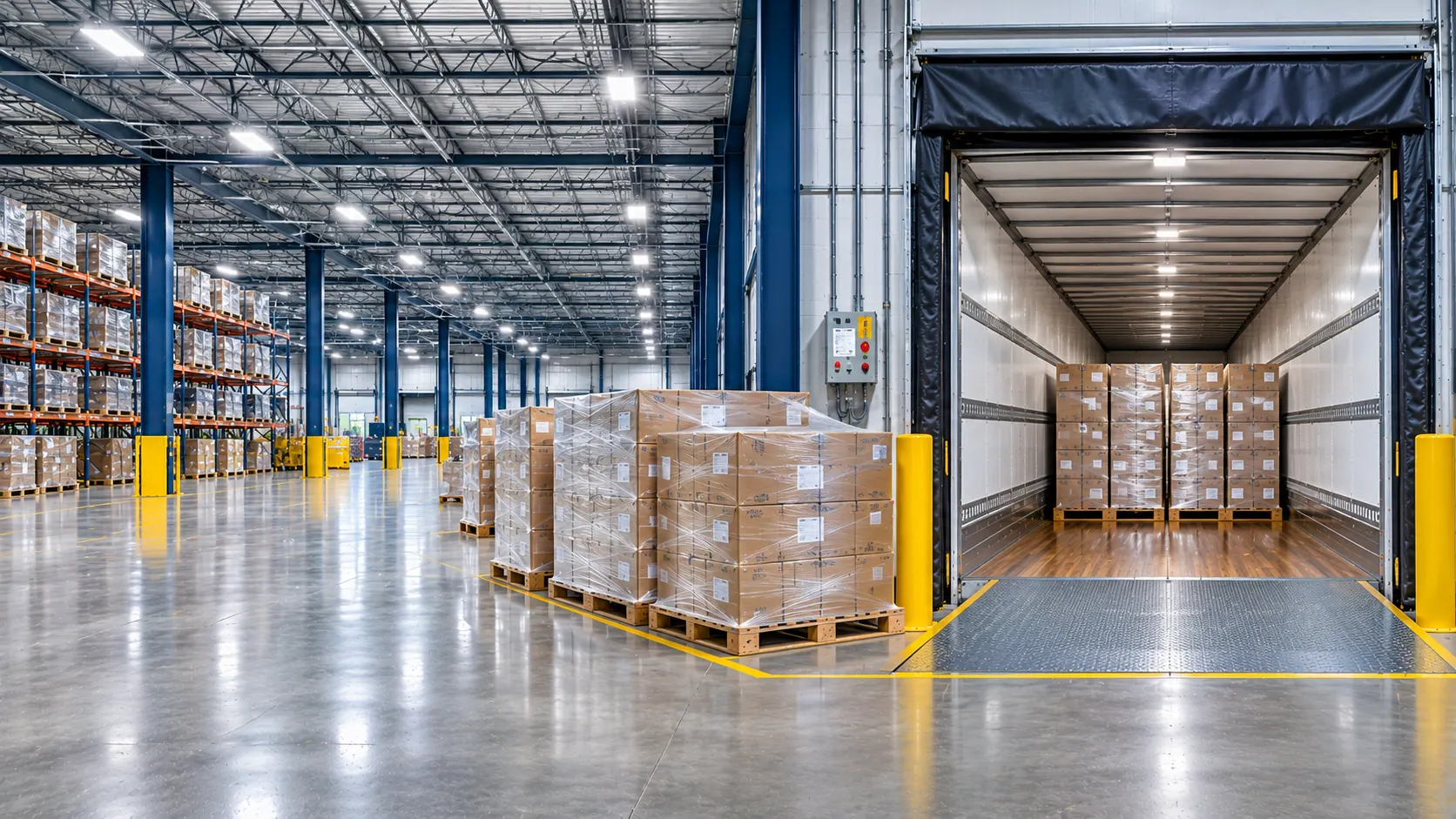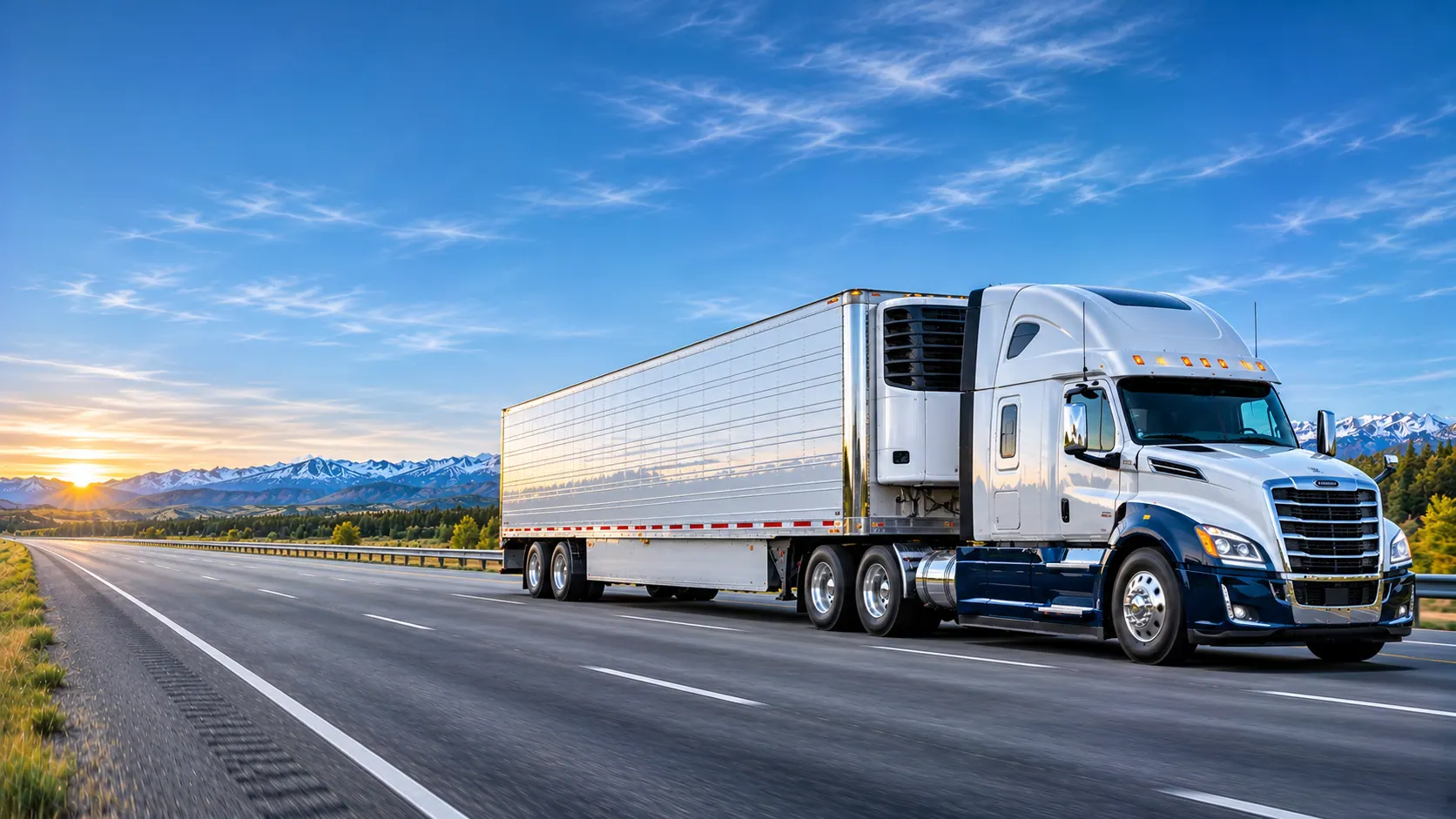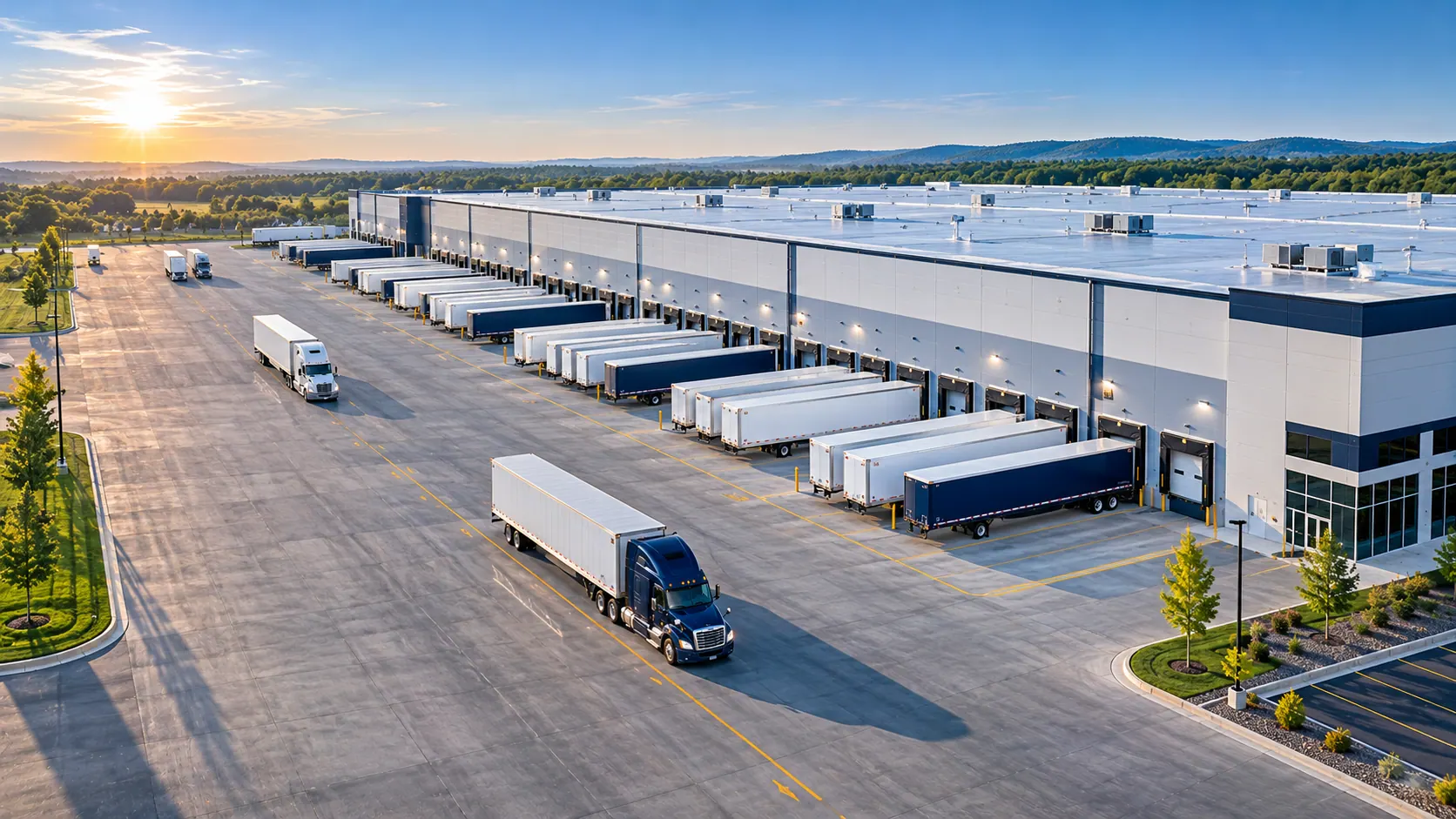
What a dry van load looks like with us
The 53-foot dry van is the workhorse of North American freight, and that is exactly why it deserves careful handling. Most of what ends up on a store shelf, in a distribution center or at a manufacturing line spends at least one leg of its trip inside one. Shippers come to us when they need a truck that arrives on the appointment, a driver who follows the receiver's check-in rules, and a dispatcher who tells them about a delay while there is still time to do something about it.
We arrange full truckload dry van moves for palletized goods, slip-sheeted product, cartons, drums, totes and floor-loaded freight. A single load can run from a regional 250-mile turn to a coast-to-coast run with a team. Each shipment is matched to a carrier from our vetted network whose equipment, lanes and service history fit the load, rather than simply the first truck that answers a posting.
Freight we move every week
Dry vans protect cargo from weather, road spray and theft, which makes them the default choice for a long list of commodities. Common freight on our dry van desk includes:
- Retail replenishment and store-ready pallets bound for big-box and grocery distribution centers
- Packaged consumer goods, paper products, household chemicals and personal care items
- Beverage and canned food that does not need temperature control
- Building products such as boxed flooring, fixtures, insulation and packaged hardware
- Automotive parts, tires and aftermarket components moving between suppliers and assembly plants
- E-commerce inventory moving between fulfillment nodes and returns centers
- Paper, packaging, corrugated and printed material
If your freight is heavy and dense, such as bagged material, steel coil in crates or bottled water, tell us at the quote stage. We plan those loads around axle weights and may recommend a tandem slide setting, a lighter tractor or a specific trailer spec so the load scales legally the first time.
Drop-trailer programs
Live loading works well for occasional shipments, but it ties a driver to your dock and makes your loading crew race the clock. For shippers with steady volume, a drop-trailer program changes the economics. We place empty trailers in your yard so your team loads on its own schedule, then a carrier hooks the loaded trailer and leaves an empty in its place.
A drop program usually reduces detention charges, opens up more carrier options because drivers prefer quick hook-and-go loads, and smooths out the workload on your dock. We set up the pool size, the swap frequency and the yard check process with you, and we track trailer counts so you do not end up short on a Monday or overflowing on a Friday.
When a drop program makes sense
- You ship three or more truckloads a week on a consistent lane or set of lanes
- Your loading takes longer than two hours per trailer
- Your receivers offer drop-and-hook on their end as well
- You have yard space for at least two to four trailers
Retail compliance and appointment discipline
Major retailers measure carriers by on-time-in-full performance and fine shippers when loads miss their window. We treat appointment times as fixed commitments. Before a truck is dispatched we confirm the PO numbers, the appointment confirmation, the load type the receiver expects (floor or palletized), seal requirements and any lumper or unloading fees. If the receiver requires a specific scheduling portal, our team books through it and shares the confirmation with you.
When something goes wrong on the road, such as a breakdown, a weather closure or an hours-of-service limit, we call the receiver to reschedule before the missed appointment turns into a chargeback. You see the updated time in your shipment status and in a short email from your account rep.
How a load moves from quote to delivery
- Quote: send origin, destination, weight, pallet count and pickup date through the freight form or by phone. Standard lanes are usually priced within the hour during business days.
- Tender and confirmation: once you accept, we send a rate confirmation listing pickup and delivery windows, references and accessorial terms.
- Carrier assignment: the load goes to a carrier that has passed our authority, insurance and safety review and that runs the lane regularly.
- Pickup: the driver checks in with your references, the bill of lading is signed, and the seal number is recorded.
- In transit: we track by ELD or app-based location and check calls, and we flag any risk to the delivery time.
- Delivery and paperwork: the signed proof of delivery is collected, and your invoice goes out with the POD attached.
Planning your dry van shipment
A few details make the difference between a smooth load and an expensive one. Accurate weight lets us route around scale problems. Pallet count and whether pallets can be stacked tells us whether you need a full trailer or could save money as a partial. Dock hours and appointment rules at both ends determine whether a team, an early pickup or a drop trailer is the better plan.
Rates for dry van freight follow the market. Lane balance, season, fuel, the day of the week and how far ahead you book all move the price. Produce season in the spring, retail peak in the fall and end-of-quarter pushes tighten capacity. Shippers with committed volume can lock in contract rates for a lane; others use spot pricing load by load. We are glad to show you both so you can decide.
Every load we arrange is covered by the carrier's cargo insurance, and we verify the coverage before dispatch. If your freight is high value, let us know the declared value up front so we can confirm the limits match or arrange additional coverage.