Drayage is the short move that decides the cost
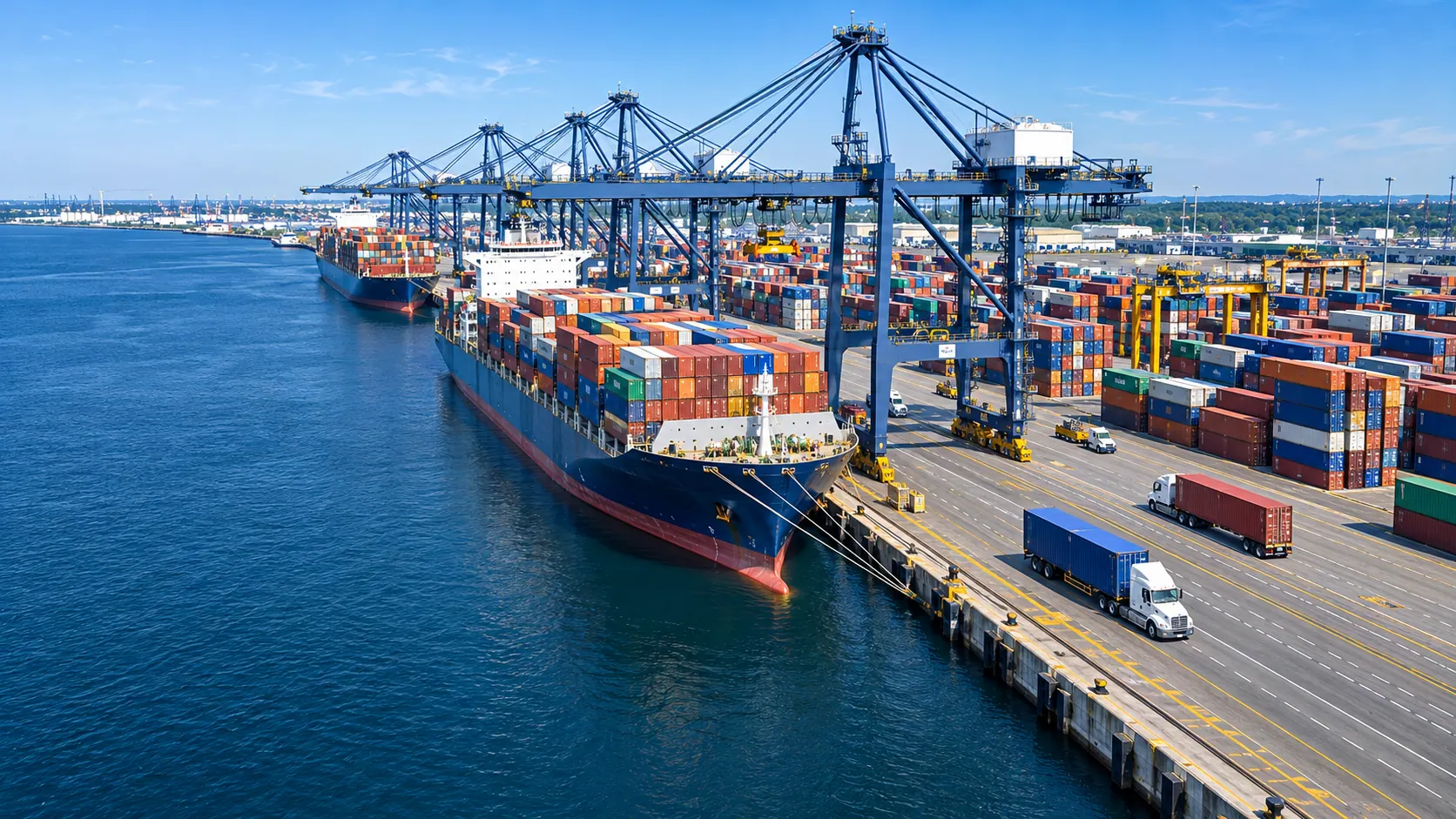
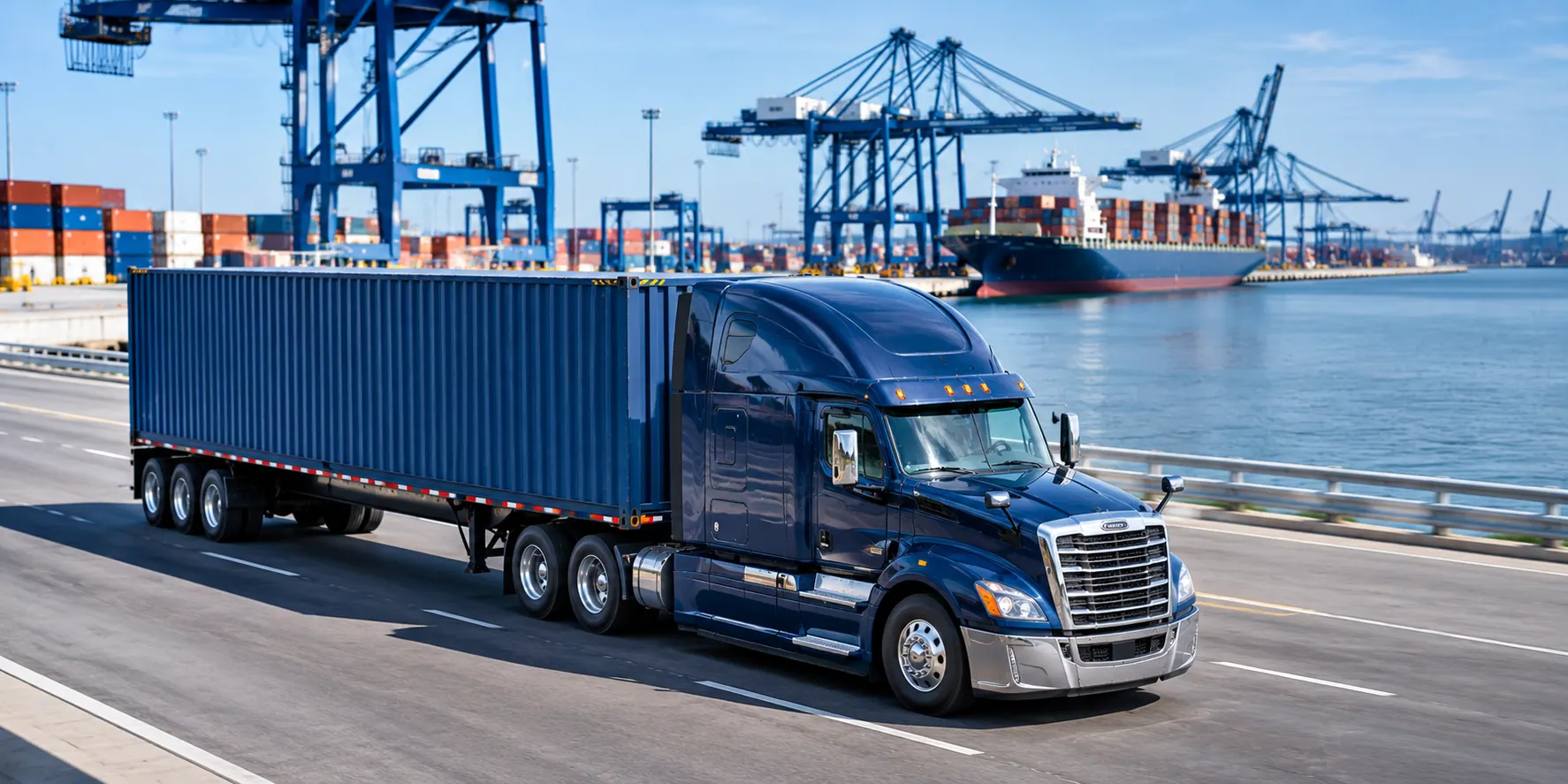
Drayage is the truck move between a marine terminal or rail ramp and a warehouse, transload facility or customer. It is often less than 100 miles, but it carries more risk of extra charges than almost any other leg of a container's trip. Storage at the terminal, demurrage from the carrier, per diem on the container and chassis, and failed appointments can quickly cost more than the drayage itself.
We coordinate import and export drayage for 20-foot, 40-foot, 40-foot high cube and 45-foot containers, along with domestic 53-foot containers moving on rail. For each container we track its availability, holds, last free day and empty return terms, and we schedule pickups and returns to fit inside those windows.
Import drayage step by step
- Pre-alert: you share the bill of lading, container numbers, vessel and estimated arrival, and the delivery address.
- Availability check: we watch for vessel discharge, customs release, freight release from the steamship line and any terminal holds.
- Appointment: once the box is free to go, we book a terminal appointment and a delivery appointment with your warehouse.
- Pickup: a licensed drayage carrier with port credentials pulls the container on a chassis.
- Delivery: the container is delivered live (unloaded while the driver waits) or dropped for unloading later.
- Empty return: the empty goes back to the terminal or depot the steamship line names, ideally before per diem starts.
Export drayage runs the same steps in reverse: we pull an empty, deliver it for loading, and return the loaded box to the terminal before the cargo cutoff with the booking number and VGM in order.
Demurrage, detention and per diem
These charges confuse many importers, so here is the short version. Demurrage is charged by the terminal or steamship line when a loaded container stays at the terminal past its free days. Per diem, sometimes called detention, is charged when the container or chassis stays out of the terminal too long before it is returned. Chassis rental is charged daily while the chassis is in use.
The best way to control these charges is visibility and planning. We report each container's last free day, push for early pickups when your warehouse can receive, and schedule drop deliveries when live unloading would otherwise force the driver to wait. When a terminal is congested, we will tell you early and suggest options such as a pre-pull to a secure yard.
Chassis management and pre-pulls
Most containers ride on chassis supplied by pools at the port or rail ramp. Availability tightens when volume surges, and the wrong chassis type, such as a 20-foot box needing a tri-axle for weight, can delay a pickup. We confirm chassis needs before dispatch, including tri-axle chassis for heavy 20-foot containers and extendable chassis where required.
A pre-pull moves a container from the terminal to a secure yard before your warehouse is ready to receive it, stopping storage charges at the port. It adds a yard fee and a second short move, so it pays off mainly when port storage or demurrage would be more expensive.
Rail intermodal and transloading
For longer domestic lanes, rail intermodal can lower cost and fuel use compared with over-the-road trucking. Freight loads into a 53-foot domestic container, a truck drays it to the rail ramp, the railroad carries it across the country, and another dray completes delivery. Intermodal transit is usually one to three days slower than solo truckload, so it suits freight with some flexibility.
Transloading moves product from international ocean containers into 53-foot domestic trailers or containers near the port. Three 40-foot containers fit roughly into two 53-foot trailers, which cuts inland transportation cost and returns the ocean container to the steamship line quickly. Transloading also lets you split freight by destination or hold some of it in storage.
Overweight containers and special cargo
Heavy containers are common in import freight, especially for tile, stone, paper, metals and beverages. Many states allow heavier container weights only with an overweight permit and a tri-axle chassis. We confirm cargo weight against the bill of lading and plan for permits or transloading before pickup to avoid a container being refused at the scale. Hazardous material containers, reefer containers that need power, and flat racks for out-of-gauge cargo are handled with extra planning.
Live unload or drop: choosing the delivery type
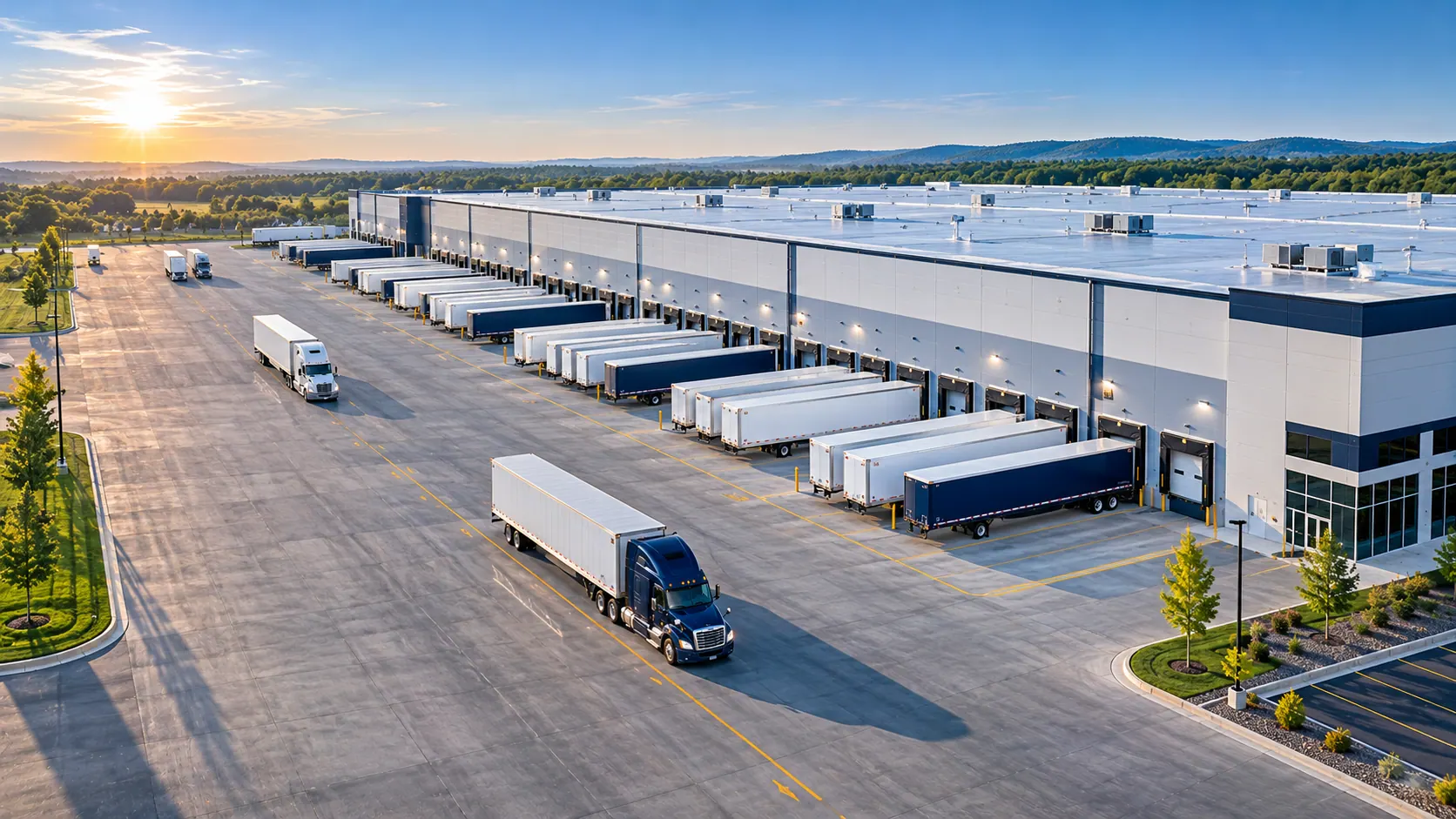
With a live unload, the driver waits at your dock while the container is emptied, usually with two hours of free time before waiting charges start. It costs the least when your team can unload quickly. With a drop, the driver leaves the container on its chassis in your yard and returns later to collect the empty. Drops add a second trip but free your team to unload on its own schedule and protect you from driver waiting time.
Which option is cheaper depends on your unloading speed, yard space and how many containers arrive at once. For importers receiving several containers a week, we often combine both: live unloads for palletized freight that empties quickly and drops for floor-loaded cartons that take hours.