The right mode for the deadline
Air and ocean freight sit at opposite ends of the speed and cost range. Air delivers in hours or days and costs many times more per pound; ocean takes weeks and is by far the cheapest way to move large volumes internationally. Most shippers use both, depending on the shipment, and the decision deserves more thought than defaulting to whatever was used last time.
We look at the delivery deadline, the weight and volume, the value of the goods, and how much inventory sits in the pipeline. A high-value, low-weight shipment that would cost more to hold than to fly belongs in the air. A container of furniture or raw material belongs on a ship. Between those, options such as deferred air or sea-air combinations can balance cost and time.
Domestic and international air cargo
For domestic air freight, shipments are picked up by truck, tendered to an airline's cargo terminal or an air freight network, flown to the destination airport and delivered by truck. Next-flight-out service gets freight on the earliest available flight; standard and deferred services cost less with slightly longer transit. Air freight is priced by chargeable weight, the greater of actual weight and volumetric weight, so dense packaging saves money.
International air freight adds export documentation, security screening, and customs clearance at destination. We coordinate with forwarding partners who issue the air waybill and manage the international leg, while our team handles the North American pickup, delivery and communication with you.
Air charter
When a part is too large for a passenger aircraft's cargo hold, or the deadline does not allow waiting for scheduled flights, a dedicated charter flies on your schedule. Charters range from small turboprops carrying a few pallets to wide-body freighters. They are expensive but sometimes far cheaper than the cost of an idle plant or a missed project milestone.
Ocean freight: FCL and LCL
Full container load (FCL)
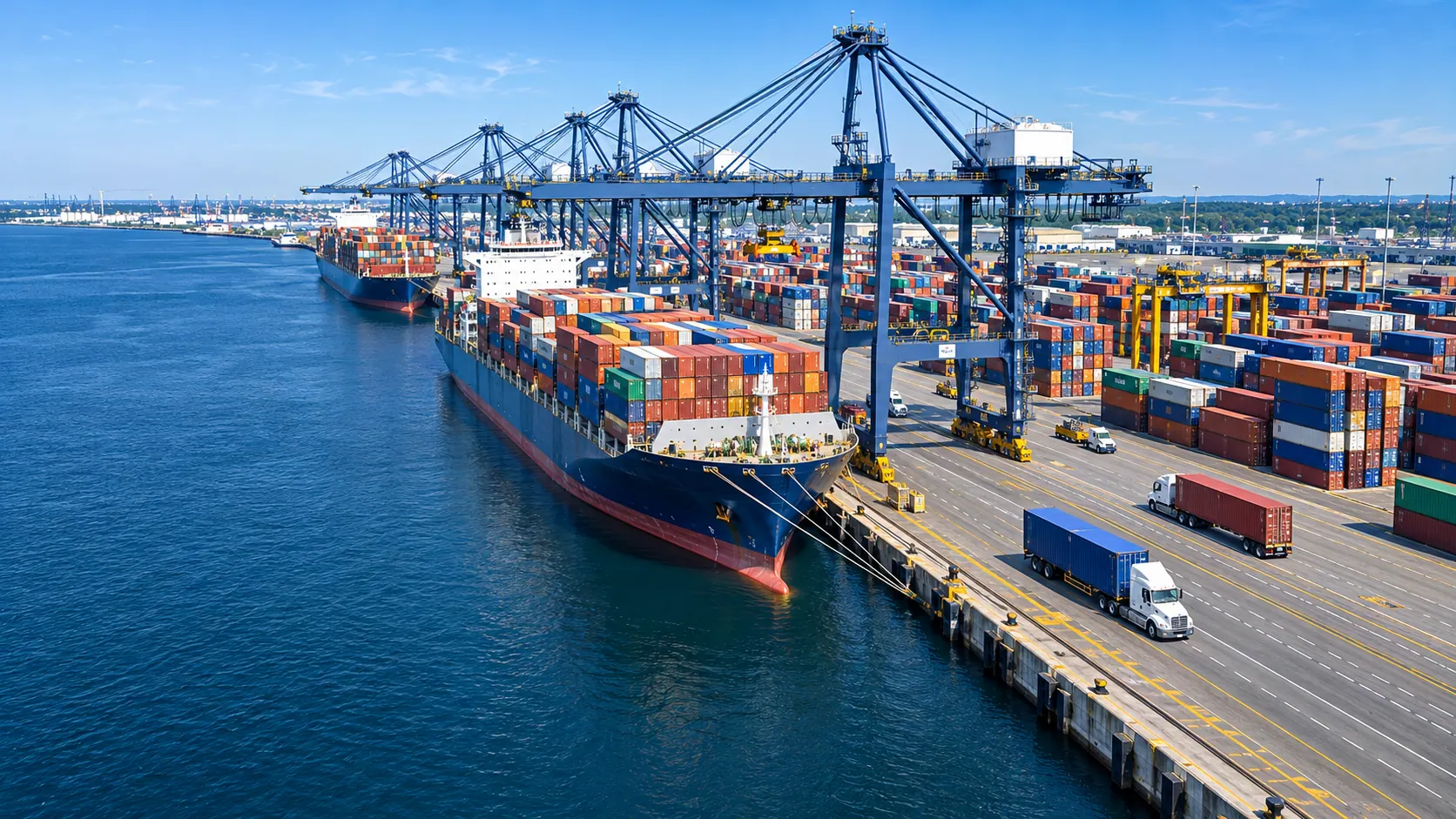
With FCL you book an entire 20-foot, 40-foot or 40-foot high cube container. Your freight is loaded at your facility or a warehouse, sealed, and not opened until it reaches the consignee unless customs inspects it. FCL is cost effective once a shipment fills more than about half of a 20-foot container.
Less than container load (LCL)
LCL combines shipments from several shippers in one container. You pay by volume, measured in cubic meters, so it suits smaller shipments. LCL freight is consolidated and deconsolidated at container freight stations, which adds a few days and more handling compared with FCL.
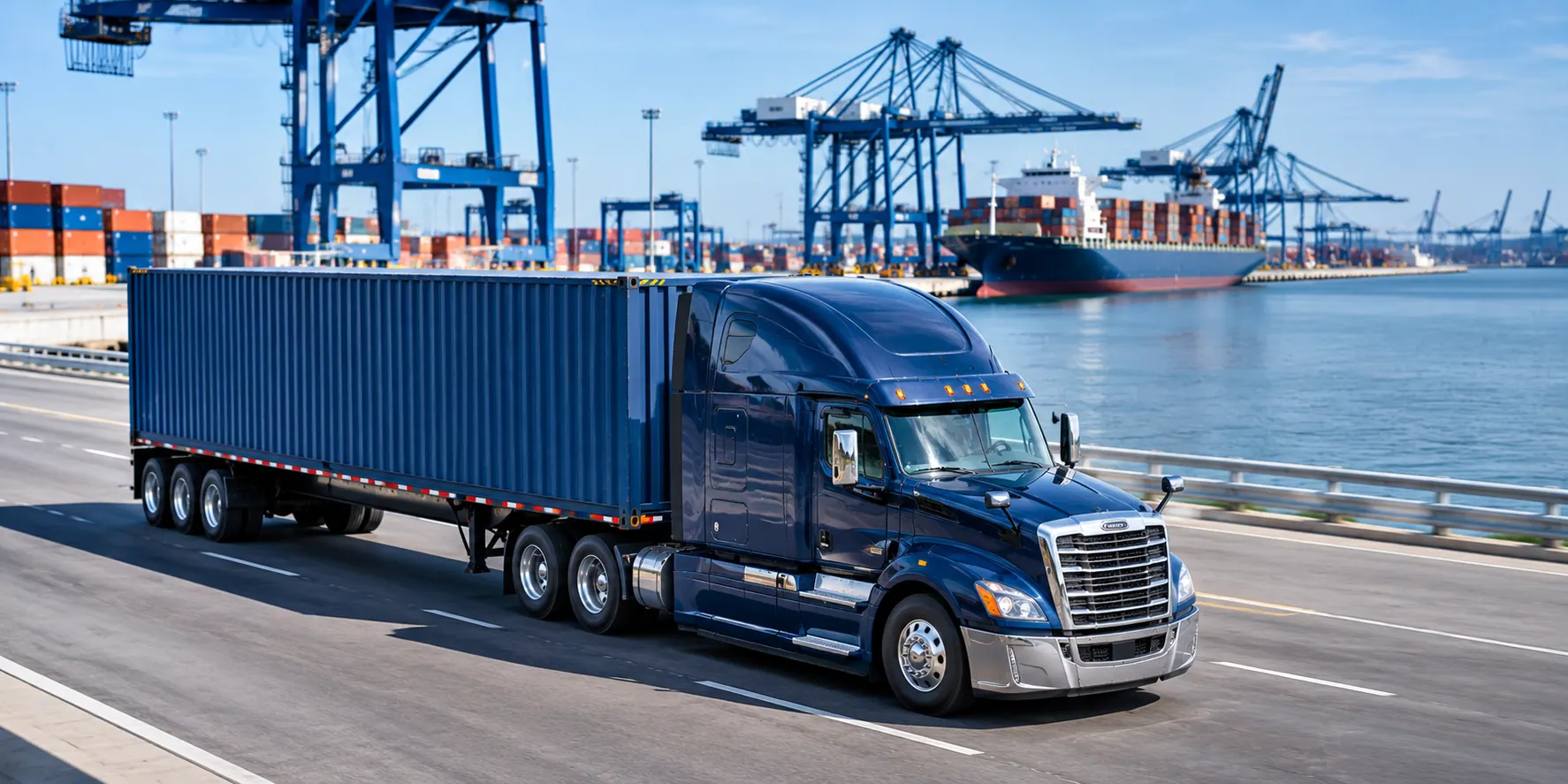
We coordinate ocean bookings through forwarding partners, handle export drayage to the port and import drayage from the port, and arrange transloading and final delivery anywhere in the United States, Canada and Mexico.
Documents and customs
International shipments need accurate commercial invoices and packing lists with Harmonized System codes, country of origin and values. U.S. exports above certain values or for certain destinations require filing in the Automated Export System. U.S. ocean imports need an Importer Security Filing at least 24 hours before loading at the foreign port, and a customs entry filed by a licensed customs broker. Duties, tariffs and fees are assessed on the entry.
We do not file customs entries ourselves, but we work closely with licensed customs brokers and make sure their deadlines are met before the freight arrives.
Incoterms and who pays for what
International sales terms, known as Incoterms, decide where responsibility and cost move from seller to buyer. Under EXW, the buyer handles nearly everything from the seller's door. Under FOB, the seller delivers the goods onto the vessel at the origin port. Under DAP or DDP, the seller arranges delivery to the buyer's location, with DDP also including import duties. Knowing your Incoterm tells us which parts of the trip we should arrange and whom to invoice.
Connecting international freight to the road network
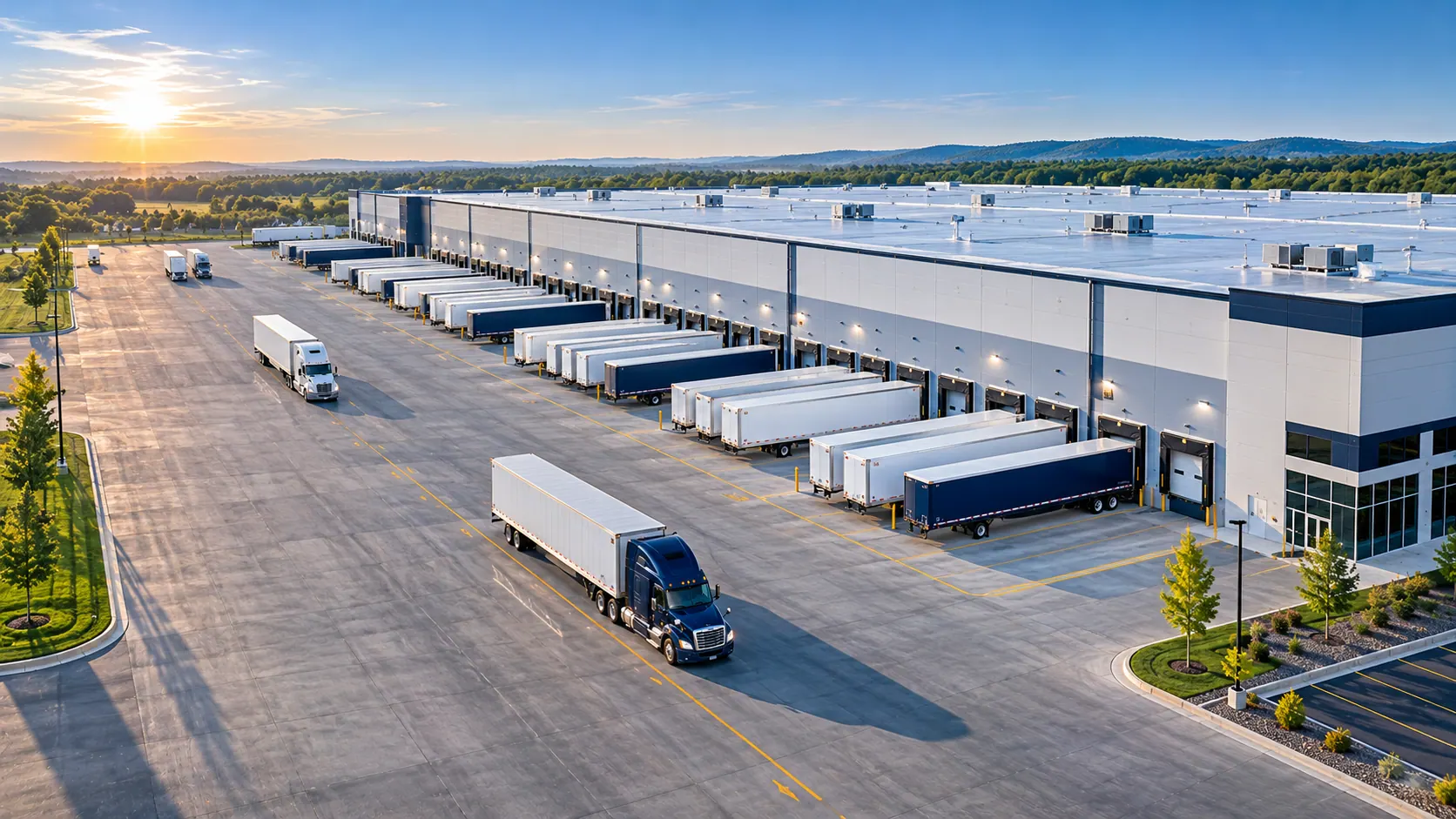
An international shipment is not finished when it reaches a North American airport or port. Containers must be drayed, transloaded or delivered; air freight must be recovered from the airline and trucked to the consignee. Our domestic network covers that last leg with dry vans, flatbeds, reefers and expedited vehicles, so a single team stays responsible for the shipment from the foreign origin to the receiving dock.
Planning lead times for international freight
International freight rewards early planning. Ocean bookings on busy trade lanes should be made two to four weeks before the cargo is ready, and longer before peak shipping season in late summer and before the Lunar New Year factory closures in Asia. Air capacity is usually available with a few days of notice, although rates rise sharply when ocean schedules slip and shippers move freight to the air in a hurry.
When you contact us, share the cargo ready date, the required delivery date, the commodity, the number of pieces with dimensions and weights, the Incoterm, and the origin and destination addresses. With that information we can compare air, ocean and combined options on cost and transit time, and recommend the one that meets your deadline without paying for speed you do not need.