Cold chain is a chain of records
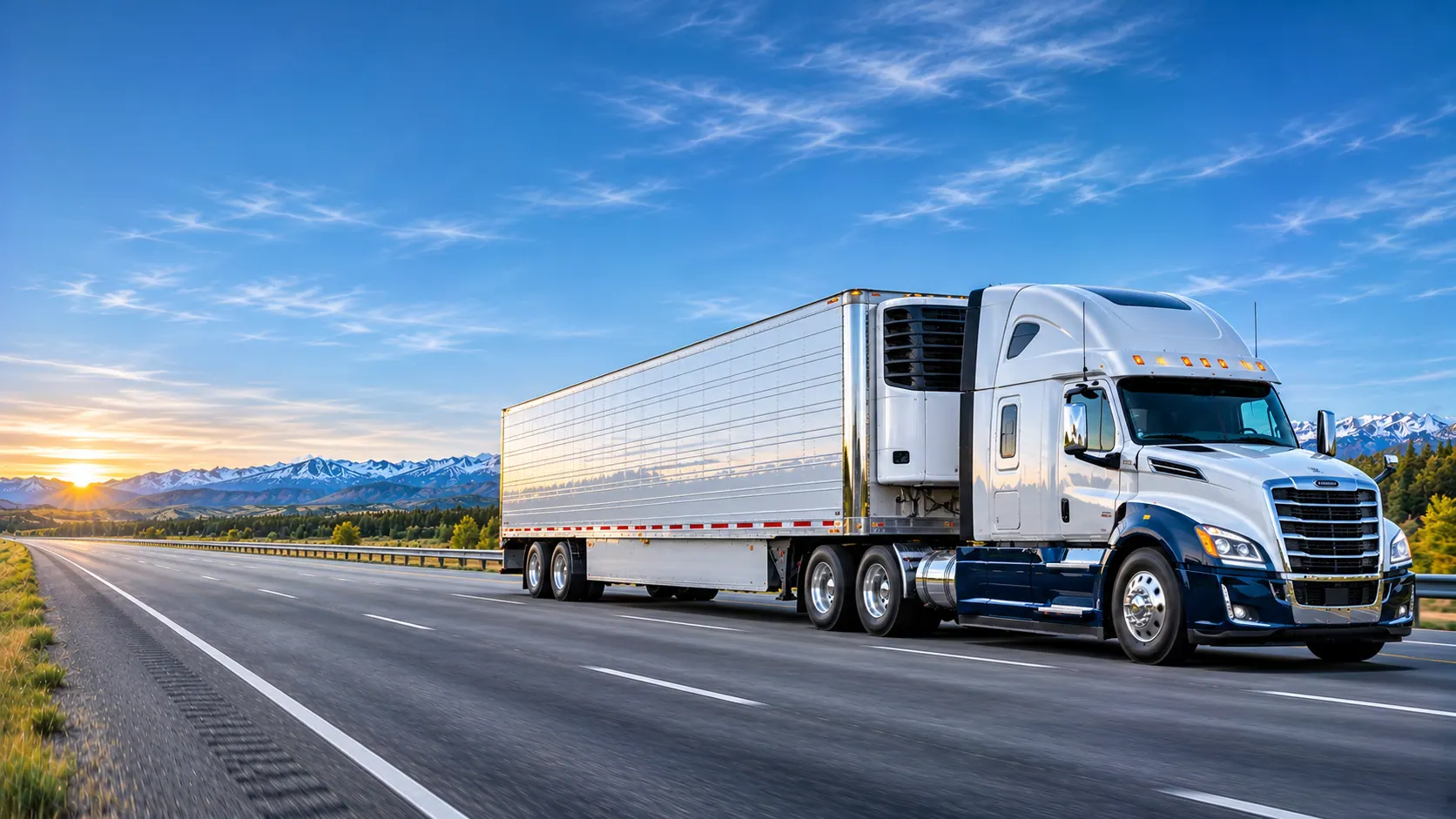
A refrigerated trailer keeps product at temperature, but the shipper's real protection is proof. When a receiver questions a load, the answer lies in the pre-cool record, the pulp temperatures at loading, the set point on the bill of lading and the reefer unit's download. We arrange reefer moves with carriers who can supply those records, and we write the temperature instructions on the rate confirmation so nobody has to guess.
We support shippers of fresh produce, frozen foods, dairy, meat and poultry, bakery, confectionery, beverages, floral, and temperature-sensitive pharmaceutical and health products. Each commodity has different set points, airflow needs and tolerance for temperature swings, so we ask before we book.
FSMA sanitary transportation practices
The Food Safety Modernization Act's Sanitary Transportation of Human and Animal Food rule assigns responsibilities to shippers, loaders, carriers and receivers. Shippers must specify in writing the sanitary requirements and operating temperature for the vehicle. Carriers must pre-cool when required, supply equipment in sanitary condition, provide temperature records on request, and train their staff.
We help shippers meet their part of that rule by recording temperature requirements, pre-cool instructions, washout requirements and any prior-load restrictions on every tender. We work with carriers whose drivers are trained under the rule and who can produce operating temperature data after delivery.
- Written set point, mode (continuous or cycle) and acceptable range on every load
- Pre-cool confirmation before the trailer backs into the door
- Washout and odor-free trailer requirements for sensitive product
- Temperature download available from the reefer unit on request
- Seal numbers recorded at pickup and checked at delivery
Frozen, chilled and protect-from-freeze
Frozen
Ice cream, frozen meat and seafood, and frozen prepared foods typically ride at -10°F to 0°F, in continuous mode so air circulates constantly. Product should be loaded at or below its target temperature; a reefer is built to hold temperature, not to pull down warm product.
Chilled and fresh
Dairy, deli, fresh meat and most produce ride between 33°F and 40°F. Produce varies widely: berries and leafy greens want near-freezing temperatures while bananas, tomatoes and some tropical fruit are damaged by cold. Some produce gives off ethylene that ripens other items, so mixed loads need careful planning.
Protect from freeze
In winter, many products that normally ship dry need heat to stay above freezing, including beverages, paints, liquid chemicals, some pharmaceuticals and cosmetics. A reefer unit can heat as well as cool, holding product around 40°F to 55°F through cold regions.
Pharmaceutical and health product shipping
Controlled-room-temperature pharmaceuticals usually need 59°F to 77°F, while refrigerated products need 36°F to 46°F. For these loads we look for carriers with validated reefer units, continuous data recorders, team drivers for longer lanes and security practices such as no-stop rules after pickup and secured parking. Tell us about any good distribution practice requirements, and we will match carriers who can meet them and supply documentation.
Loading practices that protect the product
Most cold-chain claims start at the dock. Air must move around the product, so pallets should not be pushed against the front wall or stacked to the ceiling, and floors should not be covered in a way that blocks the air channels. Doors should be closed between loads at a busy dock. Pulp temperatures should be taken and recorded before loading, and the driver should note any product that is above the set point on the bill of lading.
We will share a simple loading checklist with your warehouse team and flag concerns before they become claims.
Seasonal capacity and pricing
Reefer capacity tightens in spring and early summer when produce harvests move north, and again around the holidays when grocery and food-service volumes peak. Rates also respond to fuel, since the reefer unit burns diesel in addition to the tractor. Shippers with steady volume benefit from contract lanes and consistent tender lead times. We will give you a realistic view of the market on your lanes and plan for the seasonal crunch rather than reacting to it.
What to tell us when you book a reefer load
Good cold-chain loads start with complete instructions. When you request a quote, include the commodity, set point, continuous or cycle mode, acceptable range, pallet count and weight, and any pre-cool time. Note whether product must ship on clean, odor-free equipment, whether a load lock or bulkhead is needed, and whether your receiver requires temperature records or seal checks at delivery.
Share pickup and delivery appointment times, too. Produce sheds and food distribution centers often run tight schedules, and a reefer truck that arrives late may wait hours for the next opening while its unit burns fuel.