Vehicle logistics for businesses
Dealerships, rental companies, leasing firms, fleet managers, auctions and manufacturers all move vehicles constantly, and each has a different version of the same problem: getting the right vehicles to the right place on time, with clean documentation and no surprise damage. We arrange commercial vehicle transport on open and enclosed multi-car carriers, single-car hauler trucks and wedge trailers, and on flatbeds or lowboys for oversized and heavy-duty units.
Every vehicle move is assigned to a licensed and insured auto carrier, documented with a condition report at pickup and delivery, and tracked by your account team until it is delivered. For recurring programs, we set standard pickup procedures, contacts and billing rules so each new order runs the same way.
Dealer and auction moves
Dealers buy at auction, trade between stores and receive units from other dealers every week. Speed matters because a vehicle on a carrier is not on the lot earning money. We pick up from major auction locations, dealer stores and private sellers, confirm release documents and gate passes, and deliver to the store or reconditioning center.
- Auction purchases picked up with gate pass and release confirmed in advance
- Dealer trades and store-to-store transfers within a group
- Off-lease and repossessed vehicles moved to auctions or remarketing centers
- New inventory overflow and port-to-dealer moves
- Retail customer deliveries for dealers selling across state lines
Corporate fleet relocations
Companies with sales, service or utility fleets regularly need to relocate vehicles when territories change, employees relocate, contracts start or end, or units go to upfitters and back. We handle single moves and full fleet rollouts, including staggered schedules that keep the business running while vehicles are in transit.
Fleet customers receive a single point of contact, consolidated reporting on every vehicle in motion, and invoices organized by cost center or department when needed. Vehicles with upfitted equipment, ladder racks, service bodies or wraps are flagged at booking so the right carrier type is assigned.
Open and enclosed carriers
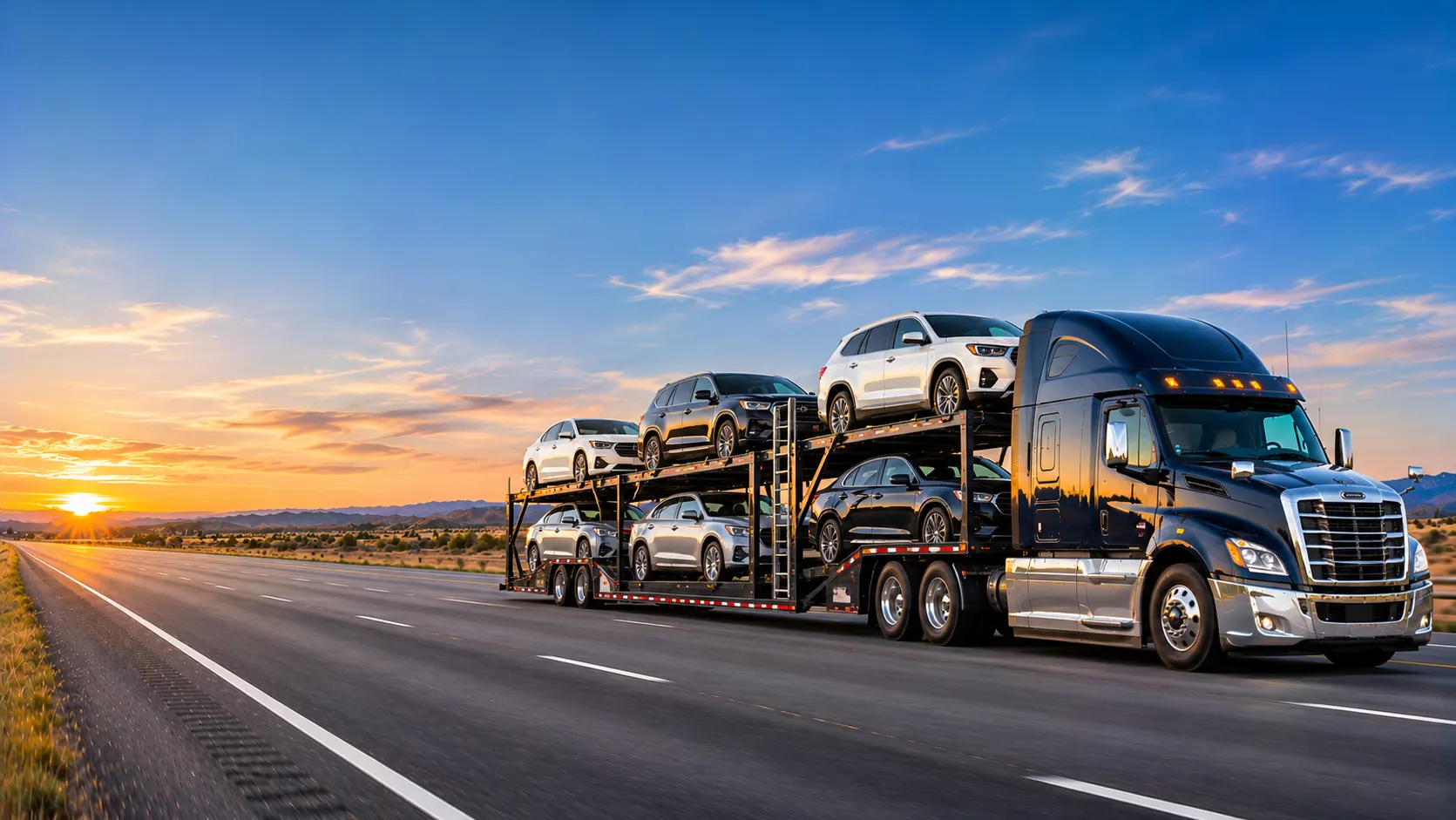
Open multi-car carriers are the standard for dealer and fleet freight. They carry seven to ten vehicles, are widely available and cost the least per unit. Vehicles are exposed to weather and road conditions, just as they would be when driven.
Enclosed carriers protect high-value, collector, exotic and freshly reconditioned vehicles from weather and debris. They carry fewer units, so the price per vehicle is higher, but they offer liftgates or low-angle ramps for low cars and soft tie-downs. Many dealers use enclosed transport for luxury inventory and customer deliveries where presentation matters.
Heavy-duty, specialty and non-running units
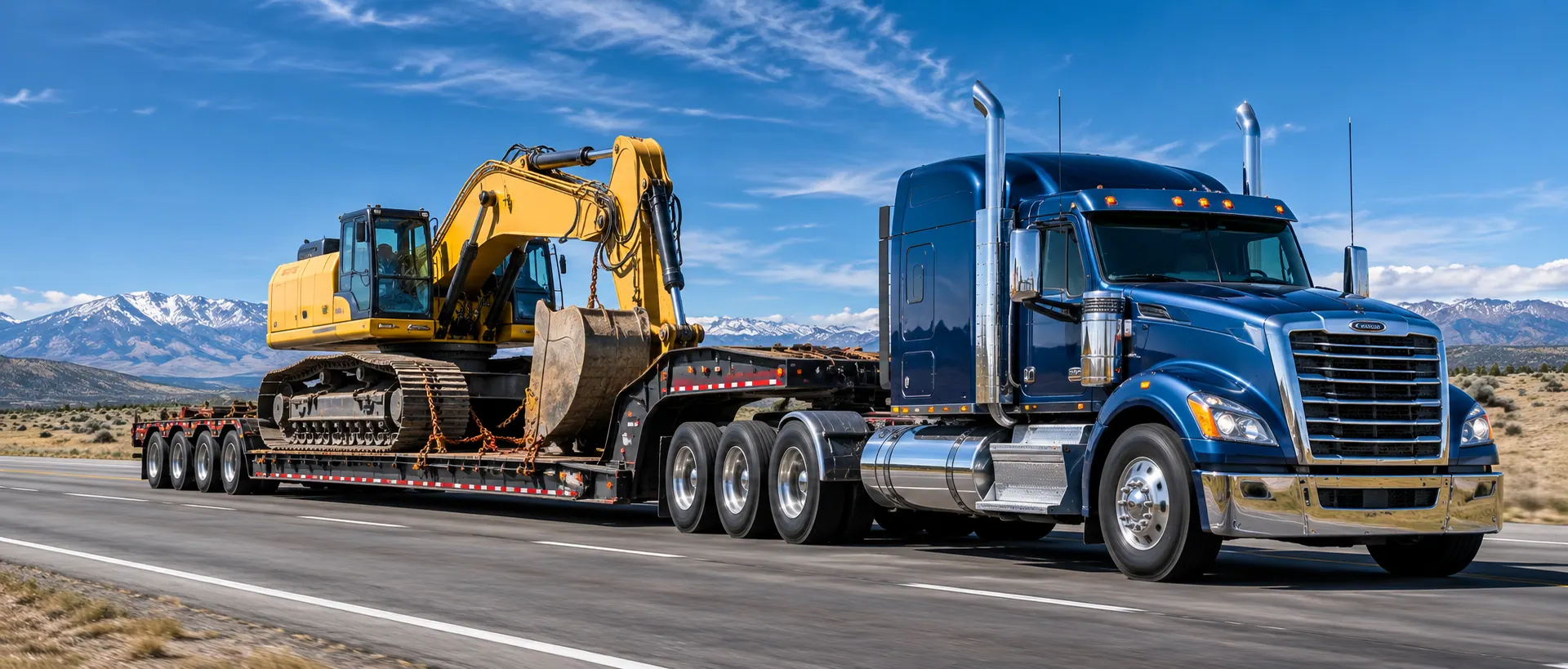
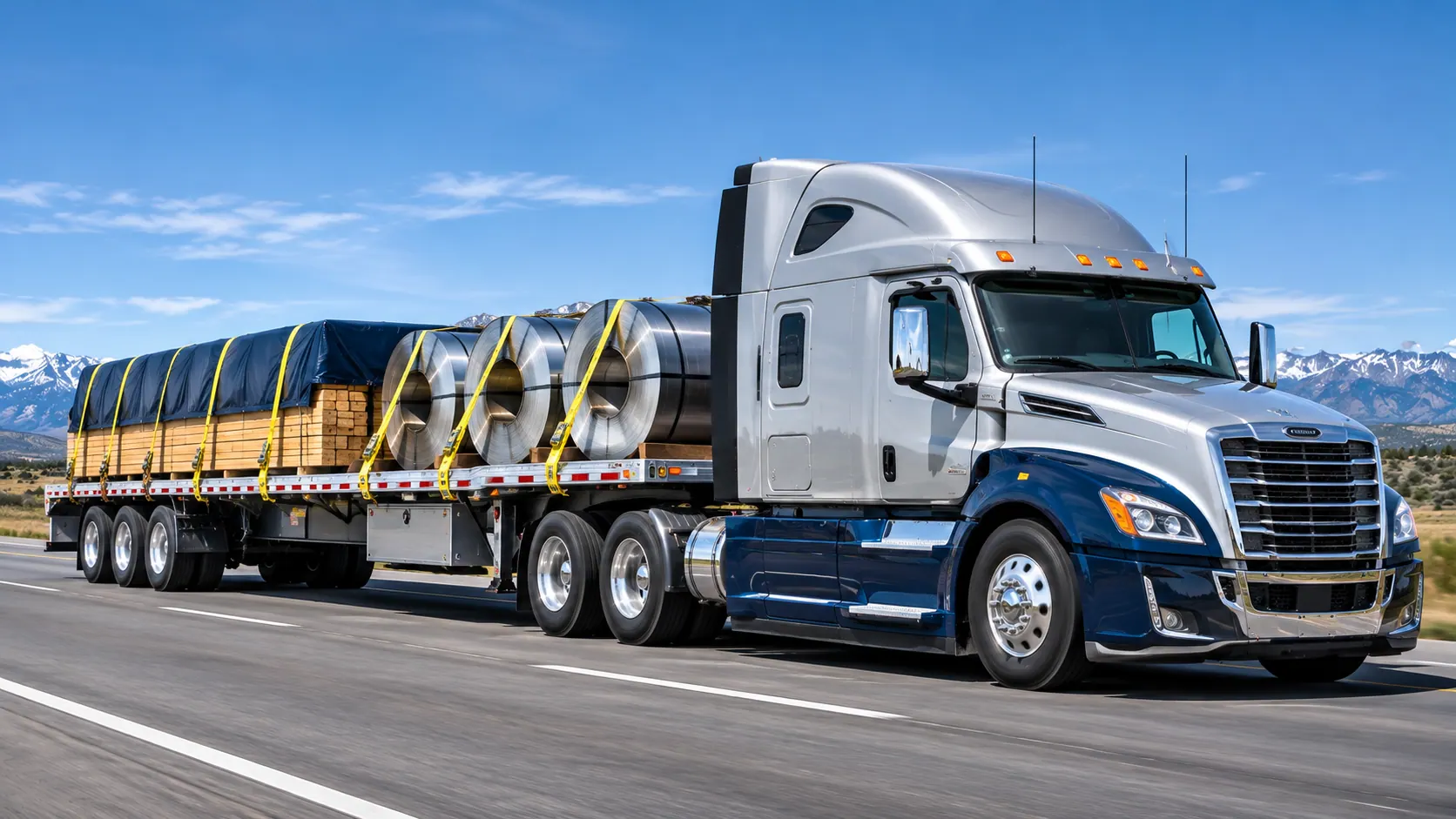
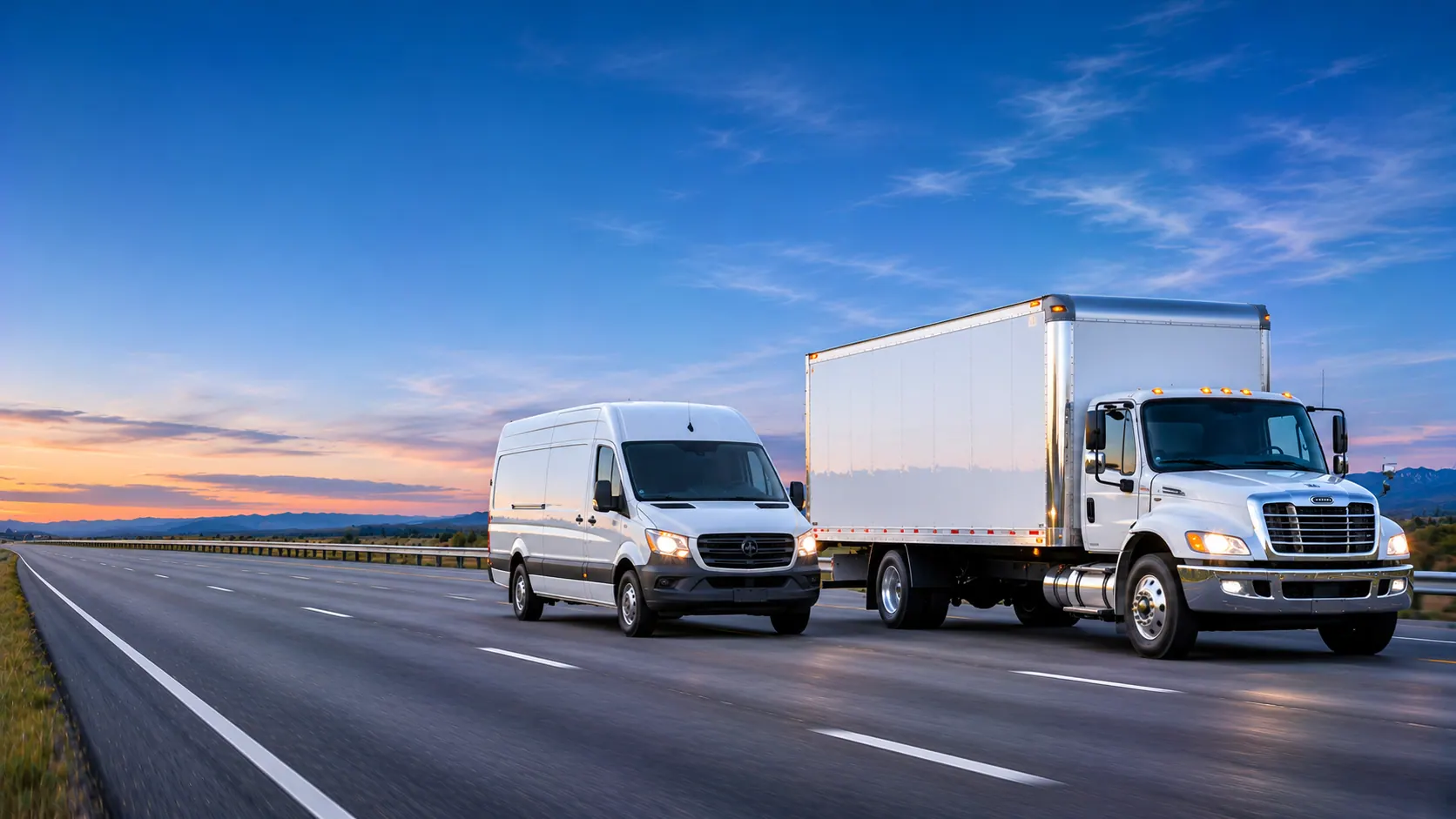
Not every fleet vehicle fits on a standard car hauler. Box trucks, buses, utility trucks, dump trucks and tractors often move on flatbeds, step decks or lowboys, or are driven away by licensed drivers when the client prefers. Non-running vehicles need a winch, and lifted or modified vehicles may exceed carrier height limits. Tell us about these details at booking so the right truck arrives the first time.
Instant prices and the AT quote number
For standard vehicles, our online quote form gives three prices at once: Standard, Expedited and Enclosed. You enter the pickup and delivery ZIP codes or cities, the vehicle details and your contact information, then confirm a code sent by text and email. Your three prices appear with an AV quote number that stays with the shipment from quote through booking, dispatch and delivery.
For multi-vehicle and recurring fleet programs, call our team or send a list of units and locations. We will build a program rate and a schedule that fits your volume.
Condition reports and claims
At pickup, the driver inspects each vehicle with you or your representative and records existing damage on a bill of lading with photos. At delivery, the receiver inspects the vehicle before signing. Any new damage should be noted on the delivery receipt. Carriers carry cargo insurance for vehicles in their care, and we help you file and follow any claim with the documentation it needs.
Preparing vehicles for pickup
A little preparation keeps pickups on schedule and condition reports clean. Remove personal items and loose equipment, since carriers are not licensed to haul household goods and their insurance does not cover them. Leave about a quarter tank of fuel, which keeps the vehicle light but allows it to be driven on and off the carrier. Disable toll transponders and alarm systems, and make sure keys, fobs and any gate passes are ready for the driver.
Wash dealer and fleet units when possible so existing scratches and dents are visible during inspection. For vehicles with low ground clearance, roof racks, aftermarket lift kits or oversized tires, tell us in advance so the carrier can assign a suitable position on the trailer or send an enclosed unit with a low-angle ramp.