Services
Every mode of commercial freight.
From a single pallet to a 150,000-pound transformer, we arrange the right equipment with a vetted carrier and manage the shipment until it is delivered.
01 · Truckload
Truckload
Over-the-road capacity for full, partial and temperature-controlled freight.

Dry Van Truckload
Enclosed full truckload capacity for palletized, boxed and floor-loaded freight, planned by a dispatch team that answers the phone at 2 a.m. and knows the dock rules at your receiver before the truck shows up.
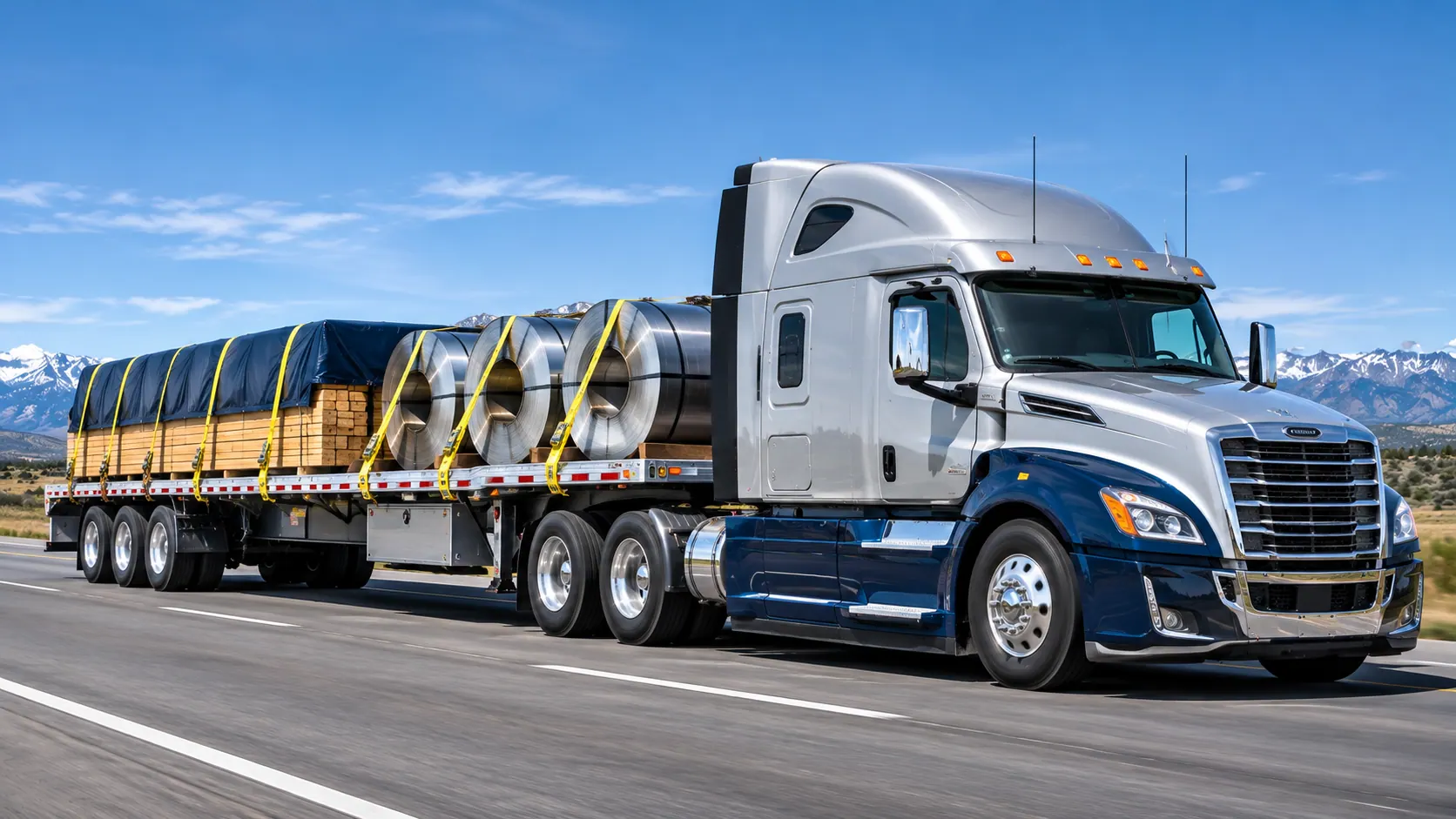
View service →Flatbed & Step Deck
Open-deck capacity for freight that is too tall, too wide or too awkward for a van, loaded from the side or top with a crane or forklift, and secured by drivers who know their chains and straps.
View service →
Refrigerated & Reefer
Temperature-controlled truckload capacity for product that is spoiled, recalled or rejected if the set point drifts, managed with written temperature instructions and records you can hand to an auditor.
View service →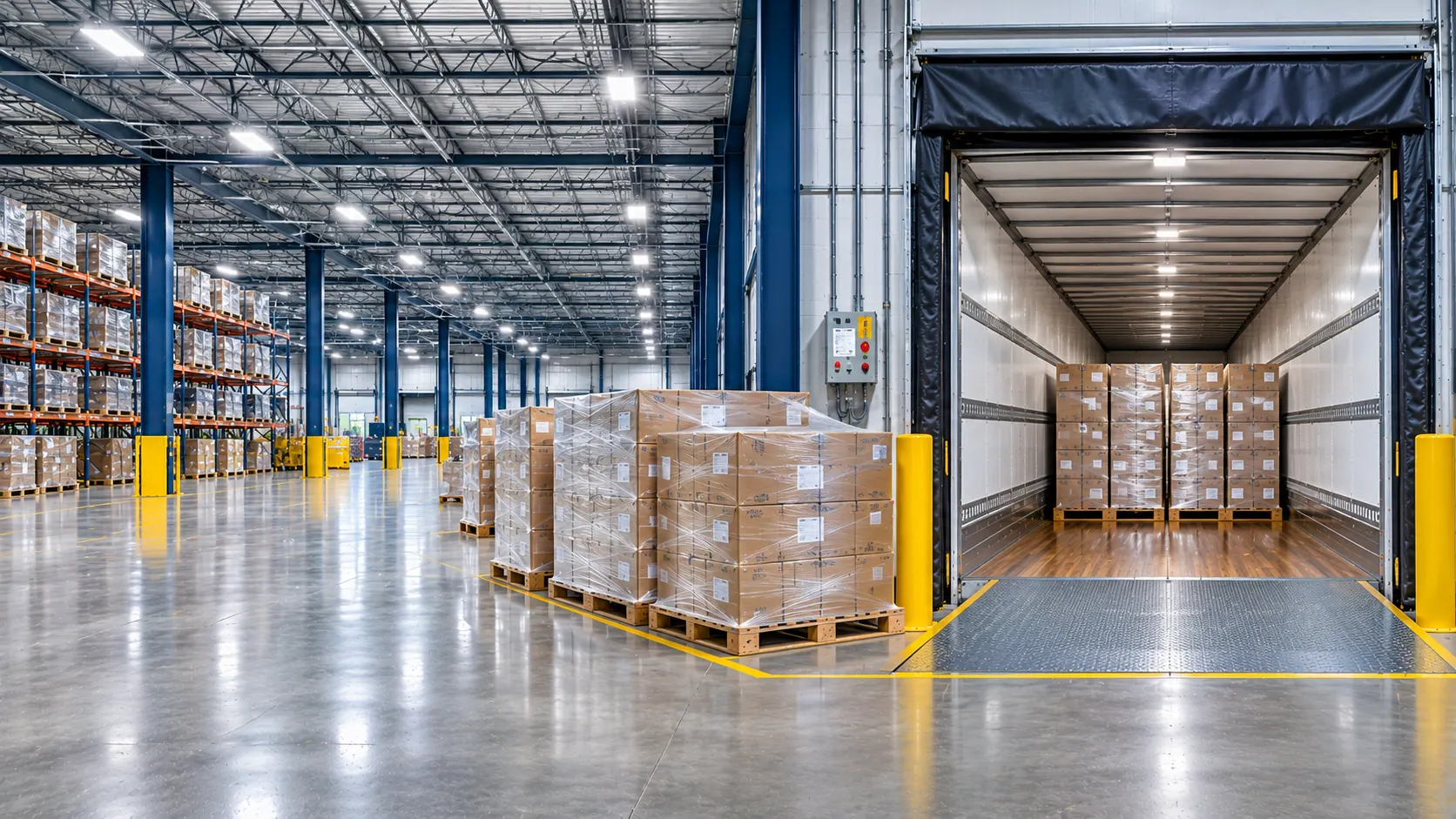
LTL Freight
Shipping one to ten pallets should not take a tariff expert. We help you describe the freight correctly, choose between LTL and partial truckload, and book the delivery services your receiver actually needs.
View service →02 · Specialized
Specialized
Oversize, hazardous and time-critical freight that needs extra planning.
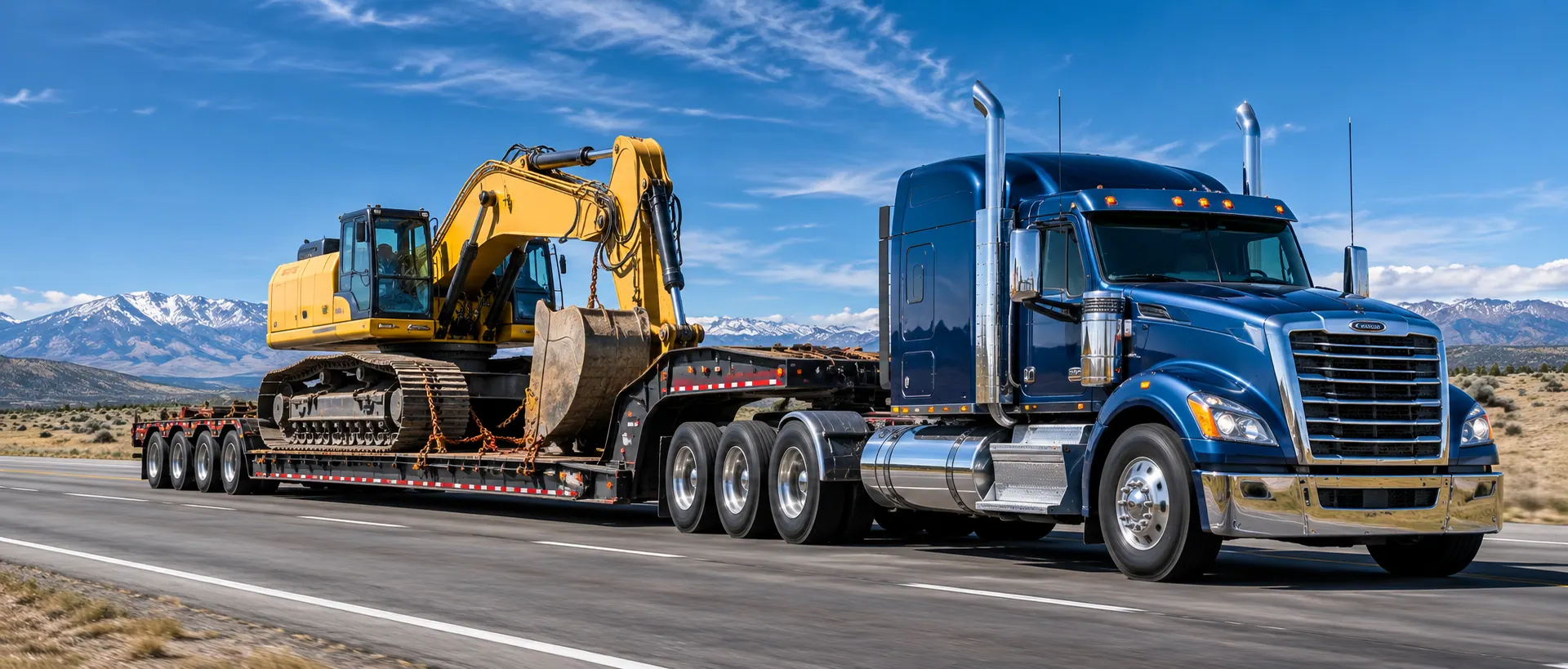
RGN & Heavy Haul
Machinery that weighs as much as a house and stands taller than a delivery truck needs more than a trailer. It needs a permit plan, a route that clears every bridge and wire, and a crew that has done it before.
View service →
Expedited & Emergency Freight
When a production line is down or a part has to be on site by morning, you need a truck moving within the hour, a driver who will not stop to pick up anyone else's freight, and a person who keeps you posted until delivery.
View service →
Hazmat & Specialized
Hazardous materials move every day in North America without incident because shippers, carriers and drivers each do their part correctly. We make sure the paperwork is right, the carrier is qualified and the driver knows exactly what is on the truck.
View service →03 · Intermodal & Global
Intermodal & Global
Ports, rail, borders and international air and ocean connections.
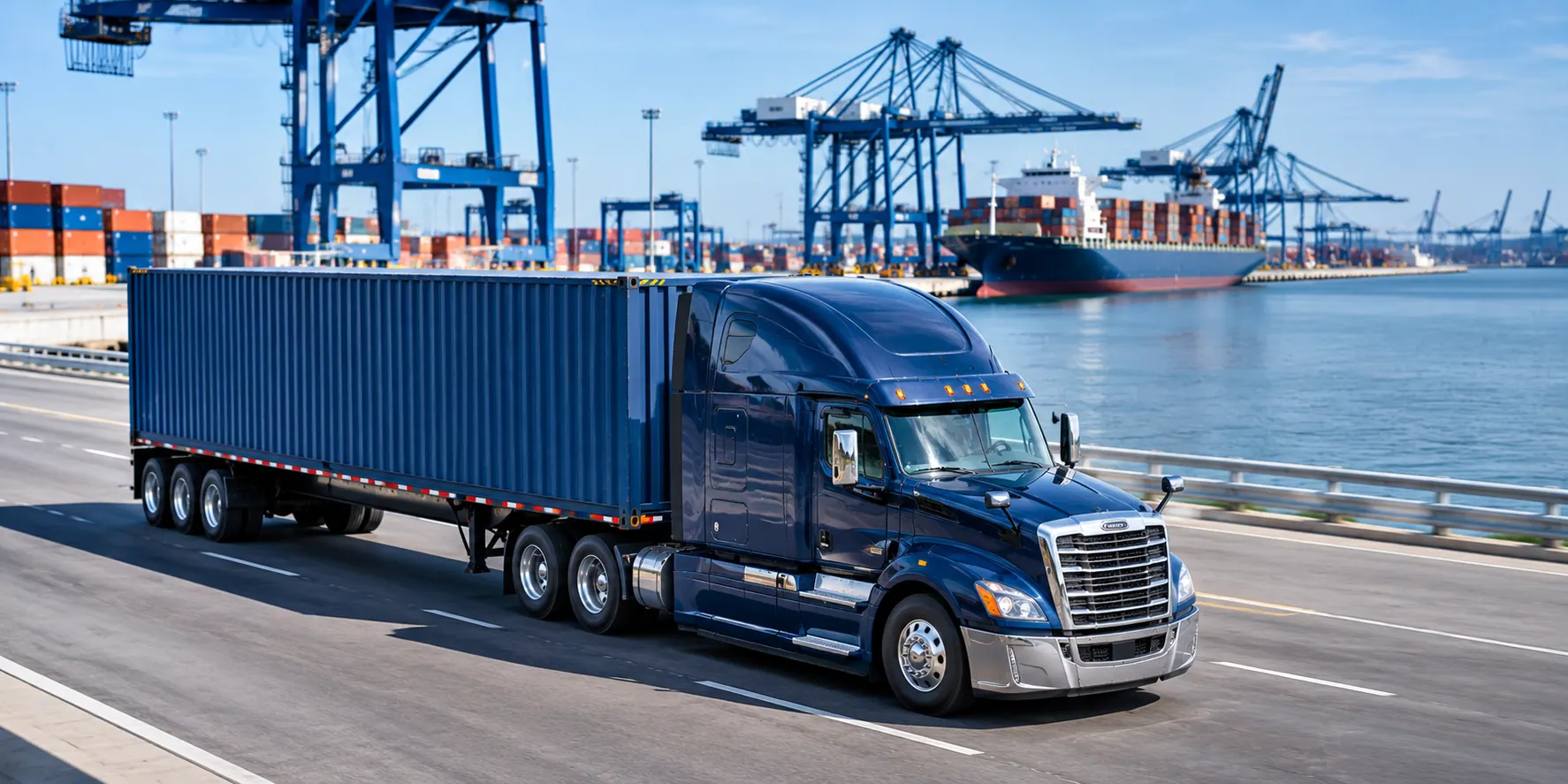
Container Drayage & Intermodal
Containers move on someone else's clock. Terminal free time, chassis availability and steamship line per diem all start ticking before your freight leaves the port, and our drayage desk is built to keep that clock in your favor.
View service →
Cross-Border Canada & Mexico
Freight that crosses a border is only as fast as its paperwork. We line up the carrier, the customs broker and the documents before the truck reaches the port of entry, so the crossing becomes a routine stop instead of a delay.
View service →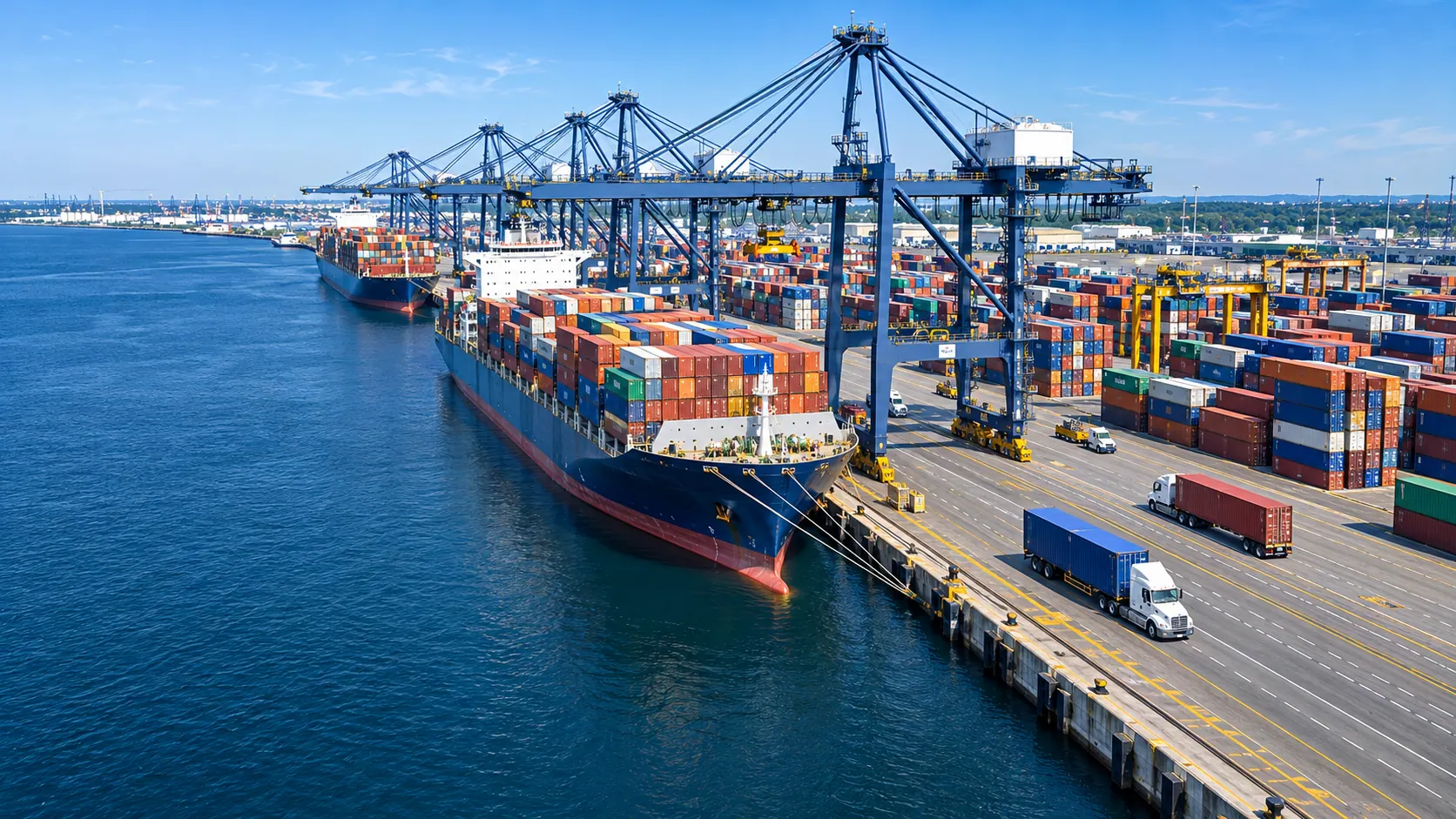
Air & Ocean Cargo
Some freight needs to fly tonight and some can ride a ship for five weeks. We help shippers pick the right mode for the deadline and budget, then coordinate the pickup, the international leg and the delivery as one shipment.
View service →04 · Logistics
Logistics
Vehicle programs, warehousing and the services between the moves.

Commercial Auto & Fleet Transport
Moving one car is a transaction. Moving forty for a dealer group or four hundred for a corporate fleet is an operation, with pickup windows, condition reports and invoices that all need to line up. That operation is what we run.
View service →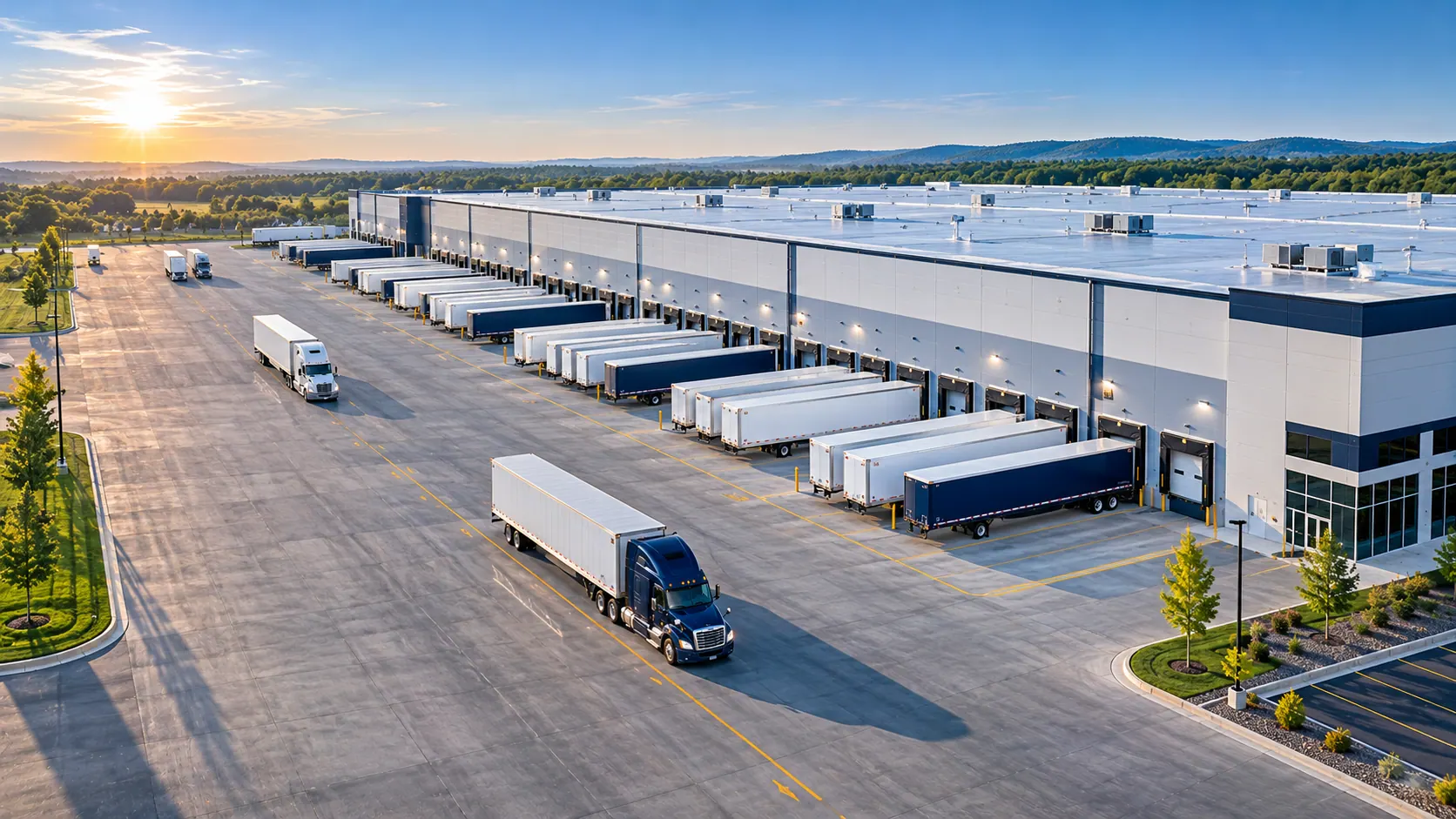
Warehousing & Distribution
Freight does not always move in a straight line from dock to dock. Sometimes it needs to pause, be split, be combined with other freight or change trailers. Our partner facilities give shippers those options without signing a long-term warehouse lease.
View service →Choosing a service
Match the freight to the mode.
Weight, dimensions, timing and handling rules decide which service fits. Here is how our freight desk thinks it through.
How to choose the right service
Start with the freight, not the trailer. Weight, dimensions, how the freight is packaged and how it will be loaded and unloaded decide most of the answer. Palletized goods that fit within 53 feet and roughly 45,000 pounds usually move best in a dry van. Freight that must be loaded from the side or top by crane or forklift belongs on an open deck. Anything taller than about 8 feet 6 inches on a standard flatbed, or heavier than legal limits, moves to step deck, RGN or a permitted heavy haul configuration.
Next, look at the clock. If the shipment has a fixed delivery appointment several days out, standard truckload is the most economical choice. If it has to arrive tomorrow, a team truck or an expedited van may cost more per mile but less than a missed production line or a late retail launch. If it can wait and moves in high volume between major rail hubs, intermodal can lower the cost per load.
Partial loads and consolidation
Shipments between roughly 6 and 18 pallets fall in a middle zone. They may be too large for an efficient LTL rate and too small to justify a full truck. A volume partial, where the load shares a trailer with one other shipment on a similar lane, often gives the best balance of cost and handling. Our freight desk will compare LTL, volume partial and full truckload for the same shipment when the answer is not obvious.
Freight with special handling rules
Temperature control, hazardous materials and cross-border movements each bring their own regulations. We qualify carriers for those requirements separately. A carrier that runs excellent dry van service is not automatically approved for placarded hazmat or for loads entering Canada or Mexico. Telling us early that a shipment has one of these requirements is the single most useful thing a shipper can do for an accurate quote.
What every service includes
Regardless of mode, each shipment comes with the same baseline. The carrier is reviewed before tender for operating authority, insurance and safety performance. The rate confirmation spells out pickup and delivery windows, equipment, accessorial charges and any special instructions. A named dispatcher tracks the load and gives updates at pickup, in transit and at delivery. Signed proof of delivery is collected and sent with the invoice.
- A single point of contact who knows the shipment history
- Written confirmation of equipment, appointments and special requirements
- Proactive notice of delays, with a proposed recovery plan
- Accessorial charges agreed in advance rather than surprised on the invoice
- Claims support with documentation gathered at the time of the exception
For shippers with recurring lanes, we can set up lane-level pricing, preferred pickup windows and standard reference fields so that every load books the same way and reports cleanly in your accounting system.
Getting started with a new lane
Send one representative shipment through the quote form or call the freight desk. We will price it, recommend equipment and tell you about anything on the lane that could affect service, such as receiver appointment rules or seasonal capacity swings. After the first few loads, we review on-time performance and costs with you and adjust the plan where it helps.
Have freight that needs to move?
Send the lane, the equipment and the date. Our team prices standard truckload lanes within the hour on business days, and the dispatch desk answers around the clock.